

Fall Red Apple
The Fall Red Apple is an exceptionally cold hardy apple tree that will grow a delicious apple right in your own orchard. The apples are best eaten fresh off the tree or can be used in baking and juicing. On average apples measure 7 – 8cm across, have a dark red skin and white flesh. They are crisp and sweet (12.4 °Bx) with a pleasant flavor. We find that the apple has a some what traditional flavour which in the industry is referred to as being “moderately acidic”. As it’s name describes, apples are best harvested later on in the fall. The apples can be stored in your cold room for up to 90 days. The tree shows moderate resistance to fire blight. The tree tends towards alternate bearing.


| Common Name |
Fall Red Apple |
|---|---|
| Latin Name |
Malus 'Fall Red' |
| Form |
Round |
| Life Span |
50+ |
| Growth Rate |
Medium |
| Mature Height |
5.0m |
| Mature Spread |
4m |
| Flower Colour |
White |
| Fragrance |
Fragrant |
| Fall Colour |
red ,Yellow |
| Soil Preference |
Widely adaptable |
| Exposure Preference |
Full sun |
| Cold Hardiness Zone |
Zone 2a |
| Special Attributes and Considerations |
In order to set fruit, the tree will need a nearby and different selection of apple or crab for cross pollination |
| Folk Lore |
The Fall Red Apple was developed at the Morden Research Station in Manitoba by Dr. C.R. Ure and released to the public in 1986. It’s lineage is a cross between a Duchess and Haralson. |
| Available Sizes |
50mm |
Related products
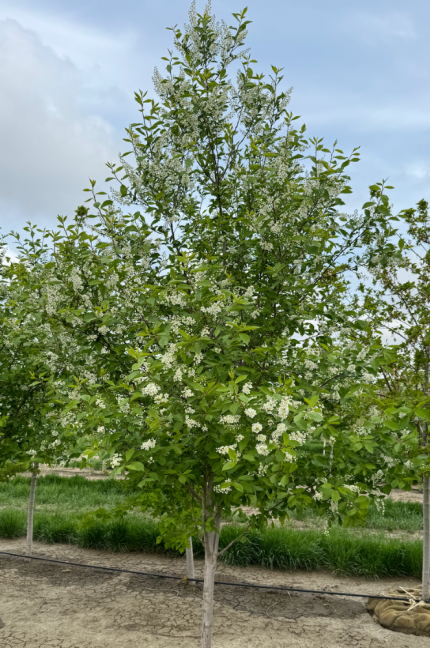
Bailey Select Sherbert Chokecherry
The Bailey Select Sherbert Chokecherry is a cultivated selection of the same chokecherry that grows wild in our region, with foliage that emerges green in spring and turns a rich purple by mid-summer. In spring, the tree produces a beautiful display of white, wonderfully fragrant panicles, followed by large crops of astringent black cherries that are mostly enjoyed by foraging birds. True to tradition, the fruit can also be used to make delicious chokecherry jam, just like in the old days.

Laurel Leaf Willow
The Laurel Leaf Willow is an extremely hardy, large sized tree that is native to Northern Europe. It is noted for having a rounded form, dark green glossy leaves and twisted trunk bark. It produces catkins that are golden yellow in colour. The tree is normally allowed a low canopy and is perfectly content in wet sites. Laurel Leaf willows are very eager to leaf out in the spring and reuctant to drop their leaves in the fall.
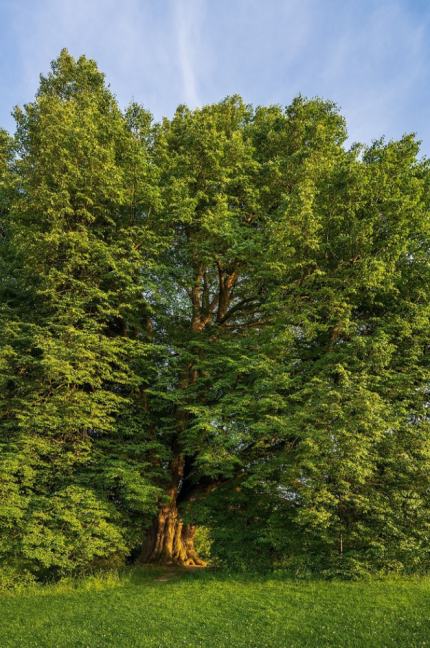
Littleleaf Linden
The Littleleaf Linden is a beautiful, highly ornamental tree that adds appeal to any outdoor space, growing with a strong central leader, dense branching, and a trunk that develops substantial girth over time. As its name suggests, its leaves are smaller than those of other linden species, heart shaped and dark green, and in early summer the tree bursts into bloom with clusters of exceptionally fragrant yellow flowers. These nectar-rich flowers attract hummingbirds, bees, and butterflies, and the species also produces a distinctive leaf-like structure called a bract, which evolved to protect the flowers and the small nutlets that develop and ripen in late summer.
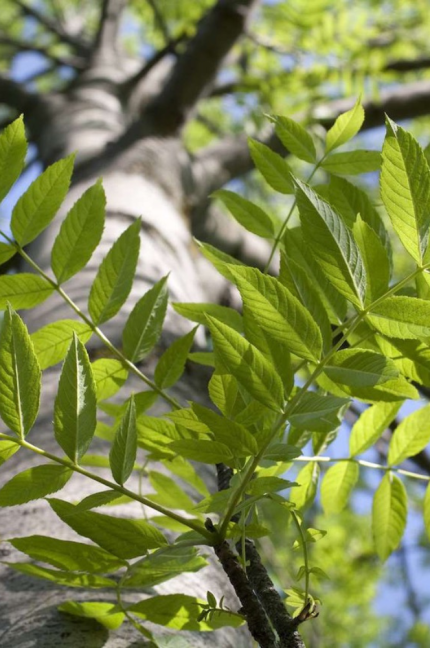
Nobility White Ash
The Nobility White Ash is a seedless selection of the American Ash with an excellent oval form and an orderly branch structure, noted for its well-mannered growth habits that require little pruning or training. With the right fall frosts, it develops deep purple fall color, and it is a very hardy tree that tolerates adverse urban planting conditions with minimal fuss.

Pembina Plum
The Pembina Plum is hybrid between a Canadian and Japanese plum that was bred over 100 years ago. The tree shows a brilliant display of precocious white flowers in the spring and in late August offers an absolutely delicious plum. The fruit displays a dark red skin and yellow flesh. The fruit is of the clingstone variety, which simply describes how the flesh does not easily pull away from the pit. The tree is very cold hardy and makes a fine year around accent tree. It is indeed a glorious moment to walk over to your Pembina Plum and indulge in a sweet and juicy plum you grew right in your own back yard.

Princess Kay Plum
The Princess Kay Plum brings beauty to any yard it grows within. The tree explodes with a brilliant display of precocious double white flowers in early spring. The leaves are dark green and transition to yellow / red in the fall. The tree is very compact making it a perfect addition to smaller sites. Princess Kay Plums will only grow a tiny amount of fruit so they considered to be very neat and tidy. The tree is cold hardy and makes a fine year around accent tree.
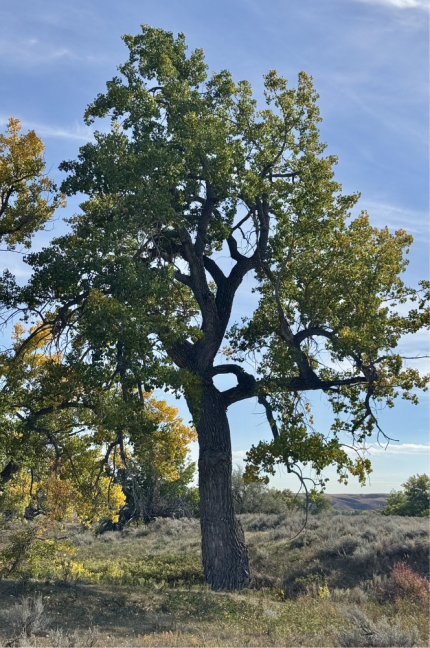
Sargent Poplar

Thunderchild Flowering Crab Apple
Thunderchild Flowering Crabapples are an attractive, compact and upright tree that make the perfect focal point for any garden. During middle spring, the branches are draped with clusters of vibrant pink flowers. Its fruit is perfectly edible and tends to remain on the tree long into winter. The tree displays a dark purple foliage throughout the growing season. Thunderchilds are strongly resistant of fire blight. They are an absolute delight for bees, butterflies and birds alike.
