
Snowbird Hawthorn
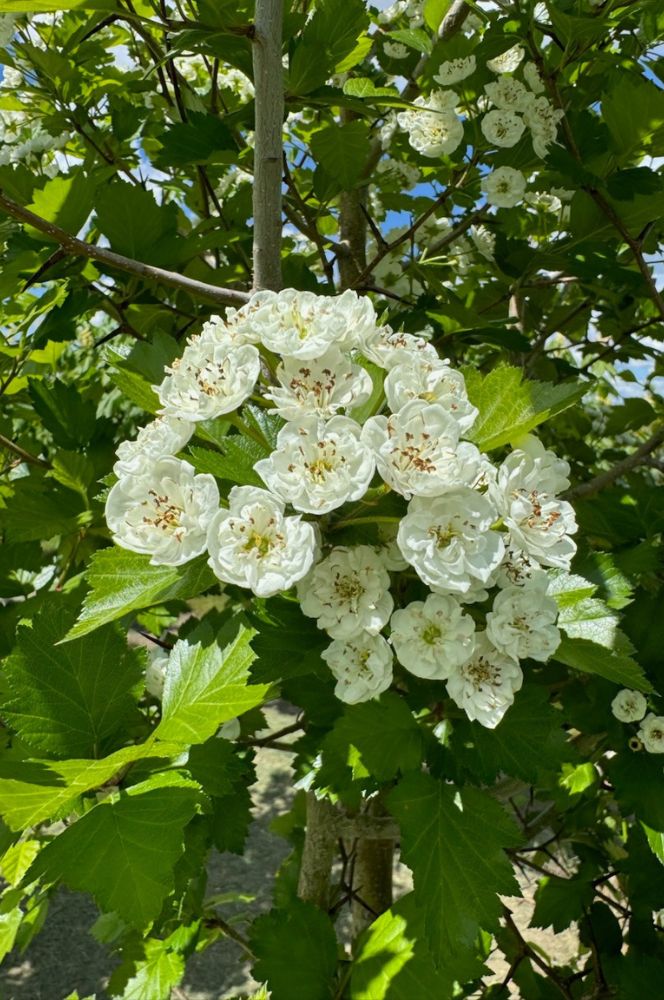
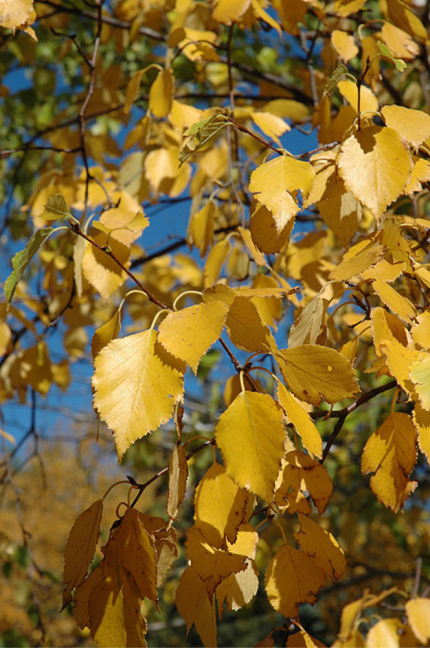
The Snowbird Hawthorn is hardy and compact ornamental tree that displays double white flowers. The flowers are followed by small pomes that ripen to red in the fall. These pomes can be made into jellies or used in tea. The tree grows with bright glossy leaves that turn yellow. As the tree matures it develops a sinewy trunk full of furrows and twists.
| Common Name |
Snowbird Hawthorn |
|---|---|
| Latin Name |
Crataegus mordenensis ‘Snowbird’ |
| Form |
V shaped |
| Life Span |
40+ |
| Growth Rate |
Slow |
| Mature Height |
5.5m |
| Mature Spread |
3.5m |
| Flower Colour |
White |
| Fragrance |
Fragrant and off to some at times. |
| Fall Colour |
Yellow |
| Soil Preference |
Moist and well drained |
| Exposure Preference |
Full sun ,Partial shade |
| Cold Hardiness Zone |
Zone 3 |
| Special Attributes and Considerations |
As it’s name indicates, the Snowbird Hawthorn will occasionally grow thorns. Hawthornes will not thrive on windy sites. |
Related products

Box Elder
The Box Elder is a native tree that can often be found growing along streams and rivers. Some folks may know this tree as a Manitoba Maple. The tree is exceptionally drought and cold tolerant. A Box Elder can thrive in the most unforgiving location. Displaying plenty of character they often grow with gnarled and twisted branches. As the wood is weak and females will drop samaras, the Box Elder is best suited as a shade tree in a large yard or as a shelter belt tree in a rural setting.

Evans Cherry
The Evans Cherry is hardy producer of an edible moderate sweetness cherry. The tree puts on a brilliant show of white flowers in the spring and then produces bright red fruit weighing 4.5g - 5.0g that ripens in mid August. The cultivar is self-pollinating, cold hardy and has a long history of growing in Alberta. The cherry can be eaten right off the tree once ripe, or used for making jams, jellies, pies, and even wines.

Golden Willow
The Golden Willow is a hardy shelter belt tree that grows with a round form and slender drooping branches. The tree will grow to a large stature and tends to prefer a low canopy. As implied with it’s name, young stems are adorned with a beautiful yellow hue. The tree grows with glossy green, narrow (lanceolate) leaves. In autumn the leaves will turn golden yellow. As the tree ages the trunk’s bark will become deeply furrowed. The tree is typically found growing in a multi-trunk form, how ever we also have single trunk selections.

Green Ash
The Green Ash is a time tested and true tree for the prairies. They are amongst the hardiest of trees for our region. The tree boasts glossy dark green leaves that are pinnately compound with five to nine large leaflets. Autumn turns these leaves a golden yellow. The tree has greyish brown bark with interlacing furrows and ridges that produce a distinctive diamond pattern. Green Ash are cold, drought and urban tolerant making them widely suitable for any application. Green ash are native to South Eastern Alberta and have have been planted in our parks and yards since the very beginning.
Prairie Dream Birch
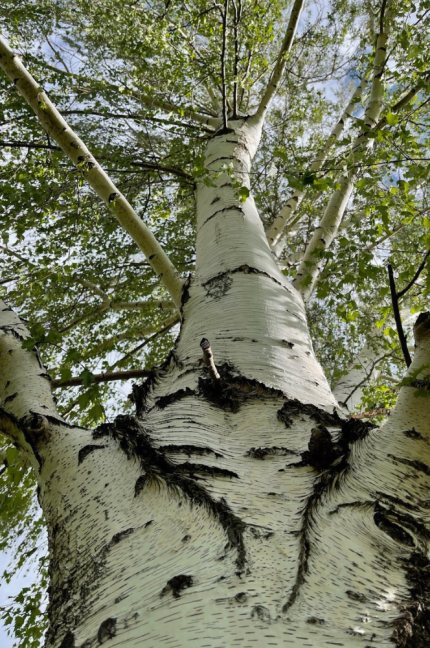
The Prairie Dream Birch is a paper birch with beautiful fair white bark and attractive green leaves. With time the bark on the lower trunk peels into neat little rolls that are a favourite for youngsters. The leaves are pointy and dark green with a doubly serrated margin. They turn a golden yellow in fall. This cultivar is low maintenance and more adaptable than other varieties of birch. The Prairie Dream Birch has demonstrated exceptional resilience to the the birch bark borer.

Princess Kay Plum
The Princess Kay Plum brings beauty to any yard it grows within. The tree explodes with a brilliant display of precocious double white flowers in early spring. The leaves are dark green and transition to yellow / red in the fall. The tree is very compact making it a perfect addition to smaller sites. Princess Kay Plums will only grow a tiny amount of fruit so they considered to be very neat and tidy. The tree is cold hardy and makes a fine year around accent tree.

Showy Mountain Ash
The Showy Mountain Ash features showy white spring flowers, pinnately compound leaves and striking red fall fruit. The berries often remain on the tree after the leaves fall, which provides a pleasant winter appearance. The tree is excellent at attracting birds to any yard. The leaves are dark green and transition to orange / red in the fall. Bark is typically smooth and grey, becoming scaly as the tree matures. The tree is slow growing and compact, making it a perfect addition to smaller sites. The tree can be planted as an accent or shade tree.

True North American Linden
Bur Oaks are an exceptionally long lived tree that with time can reach truly massive proportions. They are an excellent selection for making a statement or as a shade tree with some authority. Bur Oaks are best suited for large open spaces. They are the most cold tolerant of all the oaks. When young, they are known to have a corky bark and branches. Their large acorns are prized by wildlife and are quickly carried off by birds and small mammals. When you plant a Bur Oak tree, you are really planting a tree for future generations.
