
Norway Spruce
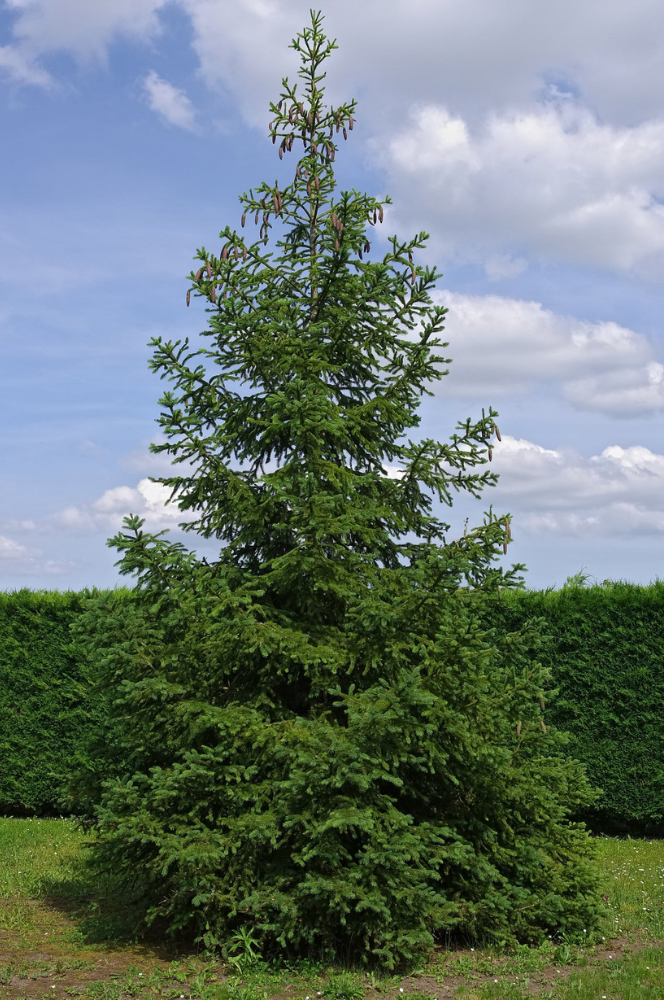
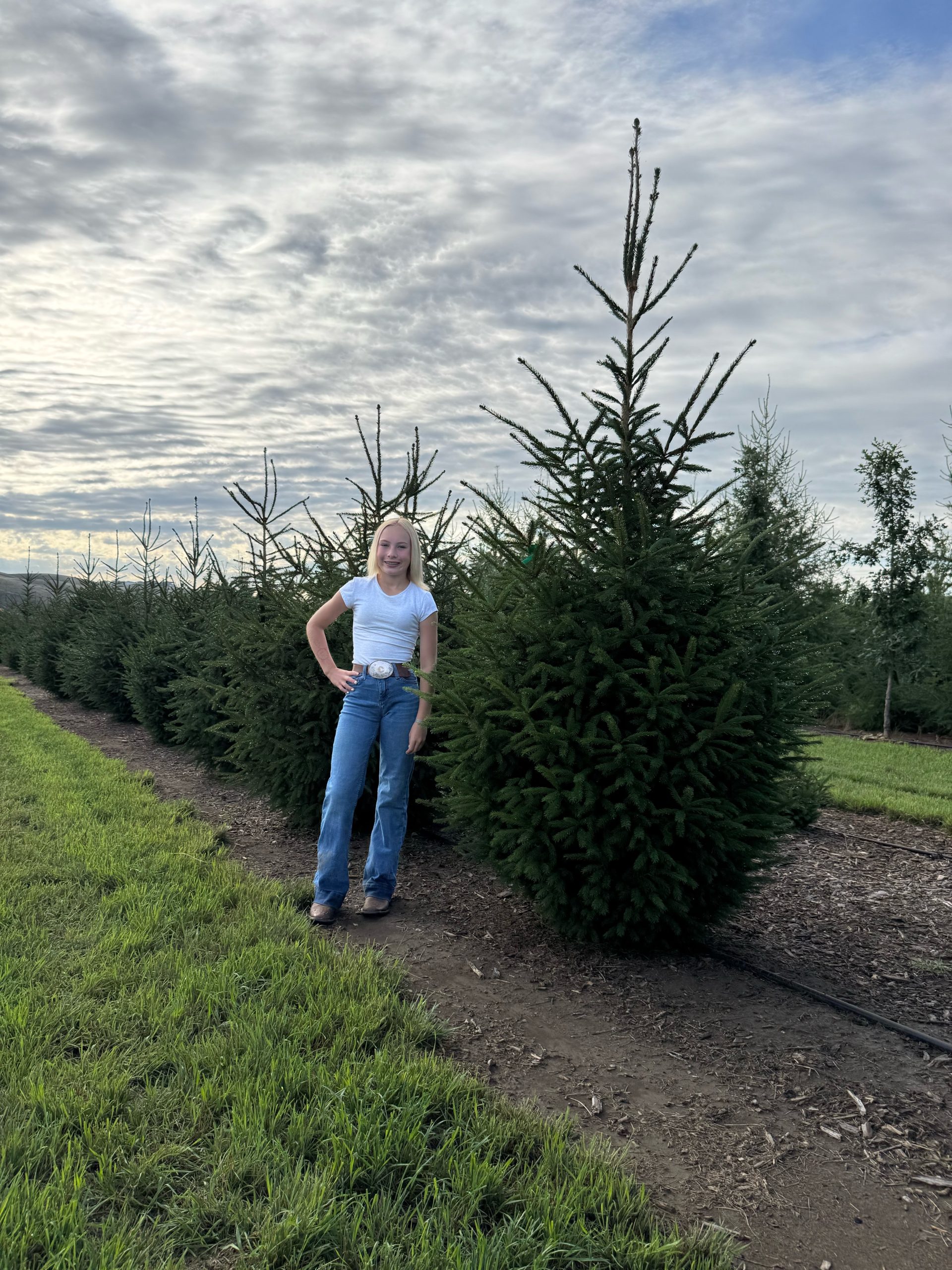
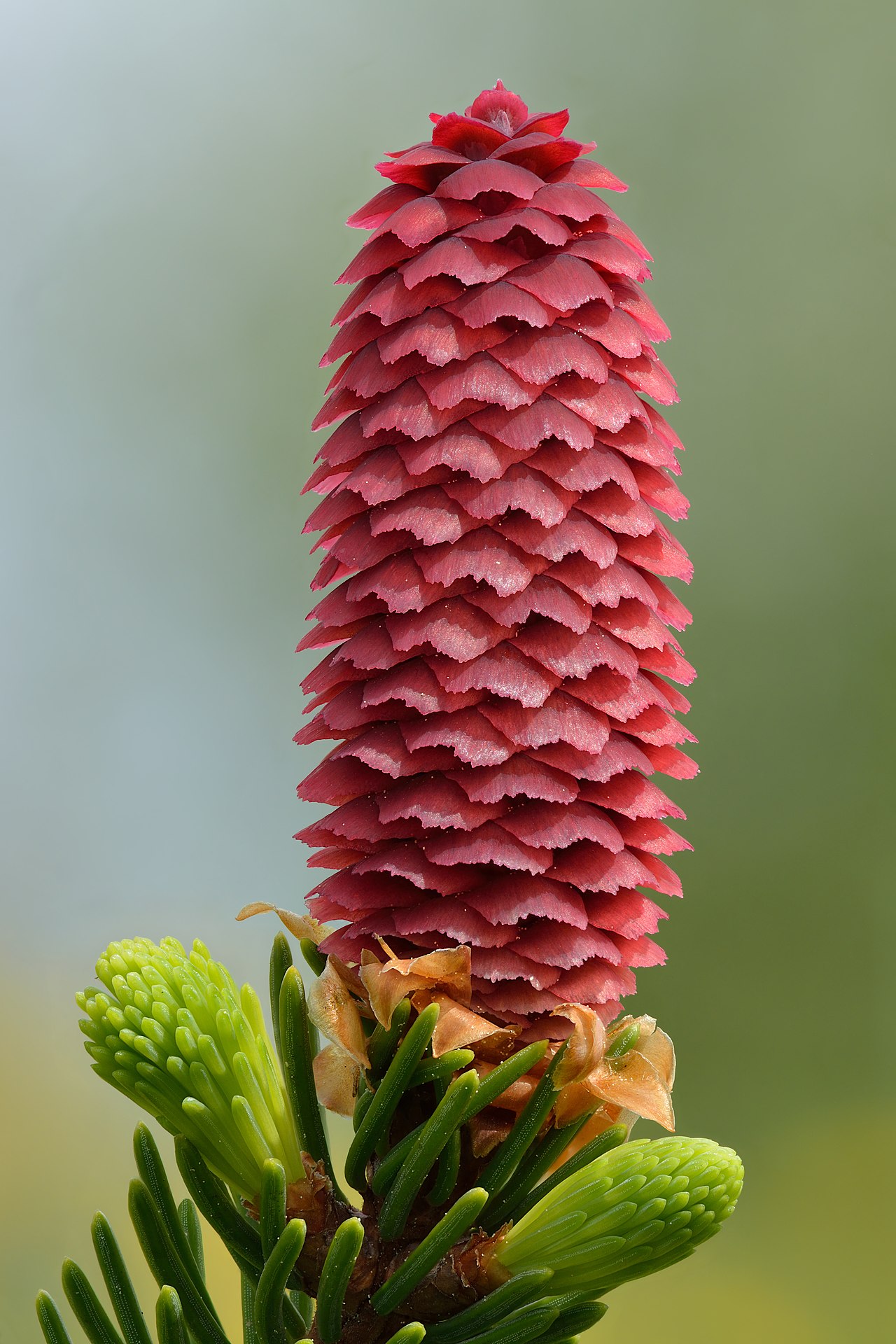
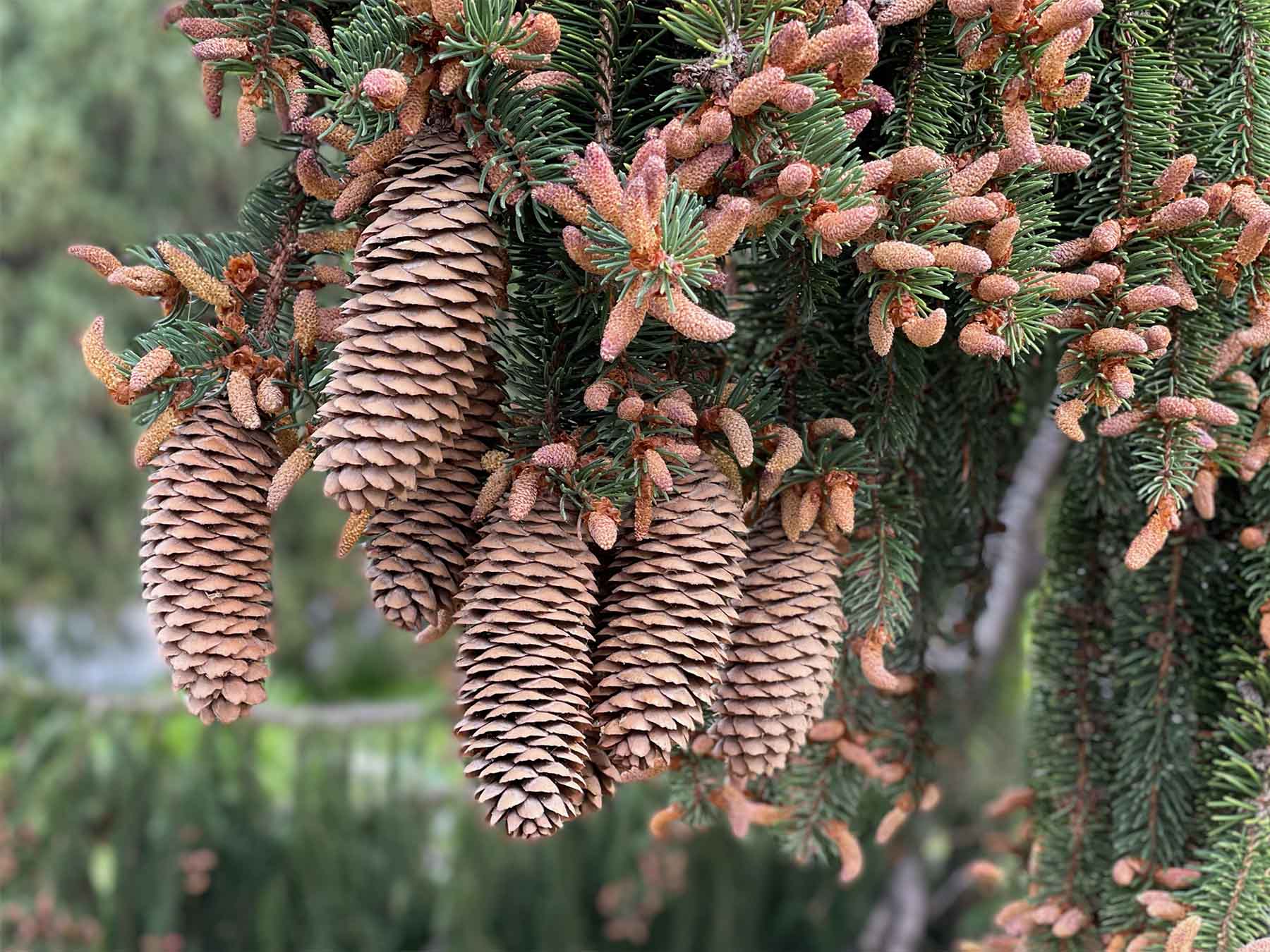
The Norway Spruce is a large coniferous tree that grows with dark green foliage, upswept branches and drooping branchlets. It’s cones are the largest of all the spruce trees and droop down below the branches like Christmas tree ornaments. The tree is quite fast growing when young and tends to slow with age. The trees needles are not nearly as spiny as a Blue Spruce. The tree is native to much of Europe but is very much at home on the prairies. The Norway Spruce is excellent for planting a stand alone specimen tree or in a shelterbelt.
| Common Name |
Norway Spruce |
|---|---|
| Latin Name |
Picea abies |
| Form |
Pyramidal |
| Life Span |
100+ |
| Growth Rate |
Fast |
| Mature Height |
15m |
| Mature Spread |
9m |
| Flower Colour |
Inconspicuous |
| Fragrance |
Insignificant |
| Fall Colour |
Evergreen |
| Soil Preference |
Widely adaptable but will not tolerate standing water |
| Exposure Preference |
Full sun |
| Cold Hardiness Zone |
Zone 3 |
| Special Attributes and Considerations |
The Norway Spruce will drop needles that will over time create acidic soil |
| Folk Lore |
The Norway Spruces grows the largest cones of all the spruces. |
| Available Sizes |
200cm |
Related products

Box Elder
The Box Elder is a native tree that can often be found growing along streams and rivers. Some folks may know this tree as a Manitoba Maple. The tree is exceptionally drought and cold tolerant. A Box Elder can thrive in the most unforgiving location. Displaying plenty of character they often grow with gnarled and twisted branches. As the wood is weak and females will drop samaras, the Box Elder is best suited as a shade tree in a large yard or as a shelter belt tree in a rural setting.

Dropmore Linden
The Dropmore Linden is hybrid between the native American Linden and the European Little Leaf Linden. This breeding resulted in a regal tree fit to grow in the most discerning grounds. The tree grows with a strong central leader and a trunk with substantial girth. Leaves are densely growing, dark green and heart shaped. In early summer the tree will burst into colour with clusters of exceptionally fragrant yellow flowers. The tree is an excellent source of nectar for honey bees. The tree has a long history of being the most prairie hardy Linden and is to be considered a low maintenance selection.

Evans Cherry
The Evans Cherry is hardy producer of an edible moderate sweetness cherry. The tree puts on a brilliant show of white flowers in the spring and then produces bright red fruit weighing 4.5g - 5.0g that ripens in mid August. The cultivar is self-pollinating, cold hardy and has a long history of growing in Alberta. The cherry can be eaten right off the tree once ripe, or used for making jams, jellies, pies, and even wines.

Laurel Leaf Willow
The Laurel Leaf Willow is an extremely hardy, large sized tree that is native to Northern Europe. It is noted for having a rounded form, dark green glossy leaves and twisted trunk bark. It produces catkins that are golden yellow in colour. The tree is normally allowed a low canopy and is perfectly content in wet sites. Laurel Leaf willows are very eager to leaf out in the spring and reuctant to drop their leaves in the fall.
Sargent Poplar

Showy Mountain Ash
The Showy Mountain Ash features showy white spring flowers, pinnately compound leaves and striking red fall fruit. The berries often remain on the tree after the leaves fall, which provides a pleasant winter appearance. The tree is excellent at attracting birds to any yard. The leaves are dark green and transition to orange / red in the fall. Bark is typically smooth and grey, becoming scaly as the tree matures. The tree is slow growing and compact, making it a perfect addition to smaller sites. The tree can be planted as an accent or shade tree.
Spring Snow Crabapple
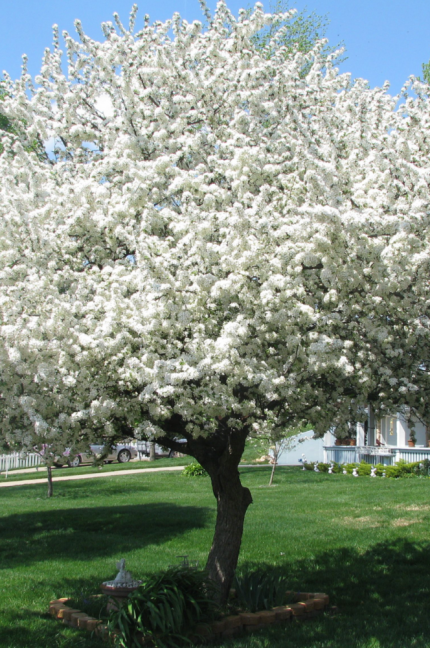
The Spring Snow Crabapple blooms in early to mid-spring with a profusion of beautiful, highly fragrant white flowers that make the tree look as though it has been covered in fresh snow. This compact tree is fully hardy for our region and, being a fruitless cultivar, remains clean and tidy throughout the season. It features distinctive orange-tinged bark and dark green, pointed leaves that turn yellow in fall, and when in bloom it is excellent for attracting hummingbirds and honey bees.

True North American Linden
Bur Oaks are an exceptionally long lived tree that with time can reach truly massive proportions. They are an excellent selection for making a statement or as a shade tree with some authority. Bur Oaks are best suited for large open spaces. They are the most cold tolerant of all the oaks. When young, they are known to have a corky bark and branches. Their large acorns are prized by wildlife and are quickly carried off by birds and small mammals. When you plant a Bur Oak tree, you are really planting a tree for future generations.
