
Norway Spruce
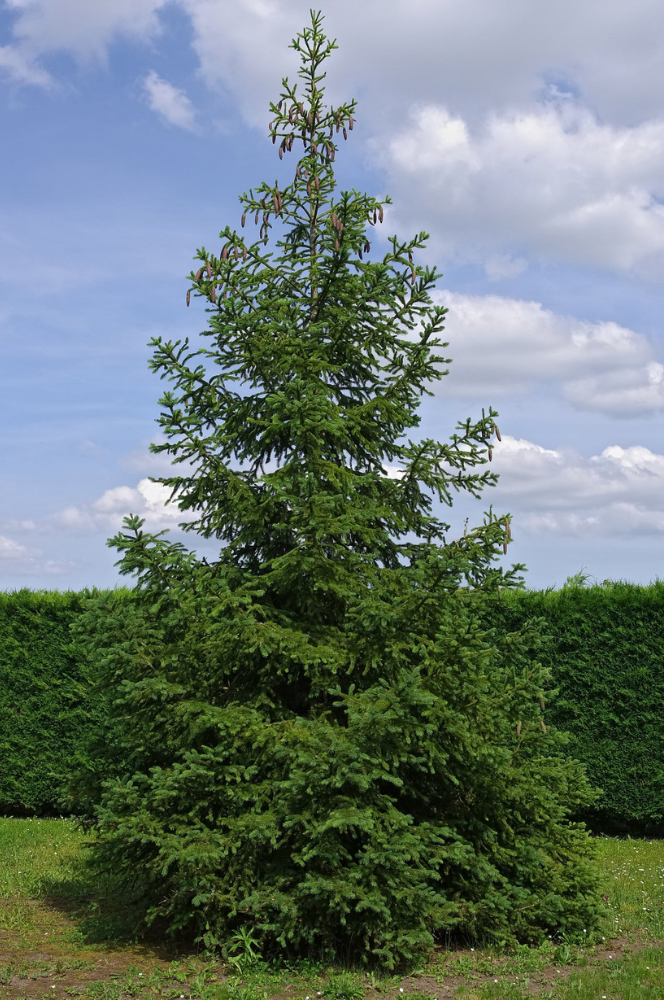
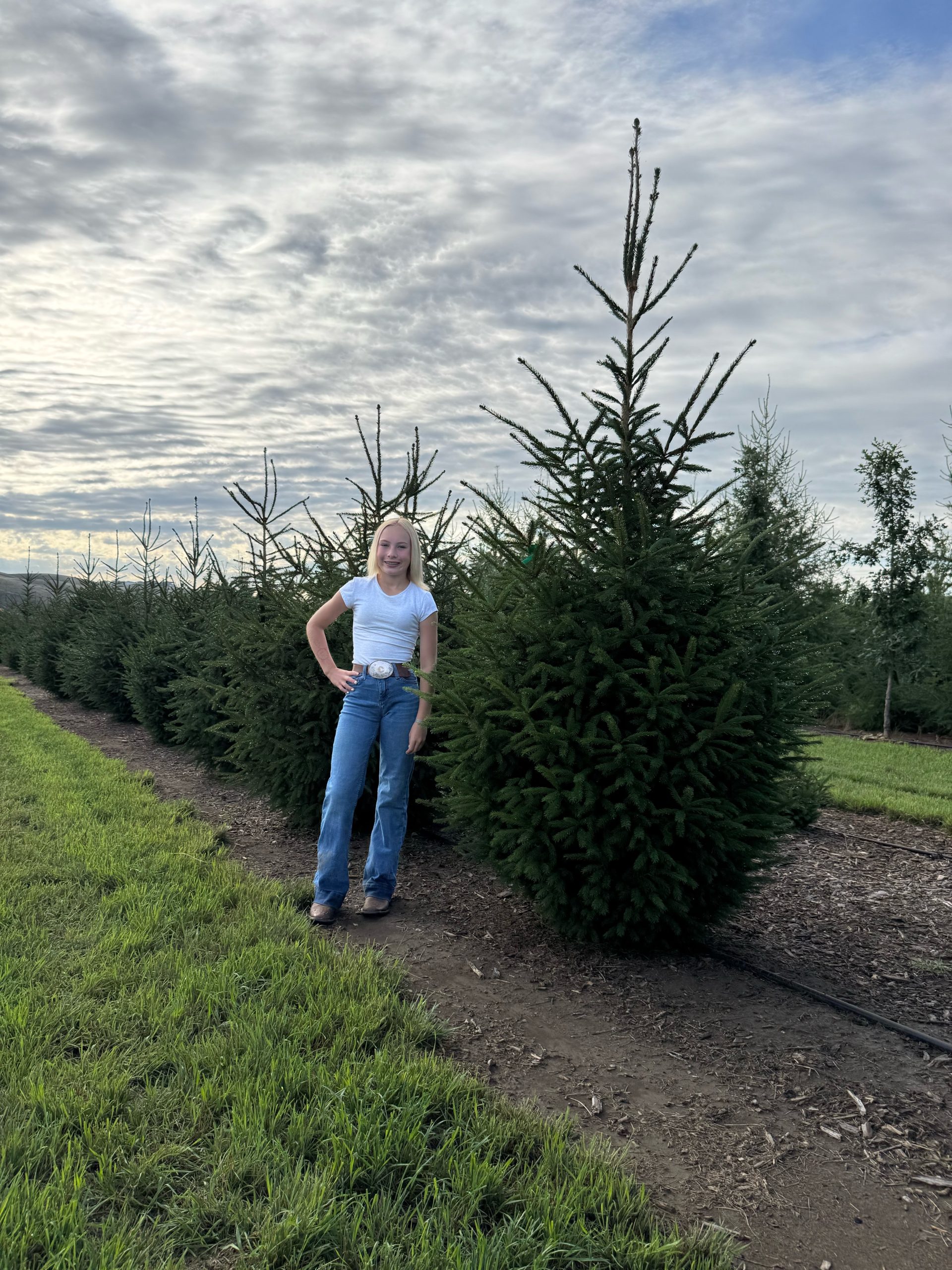
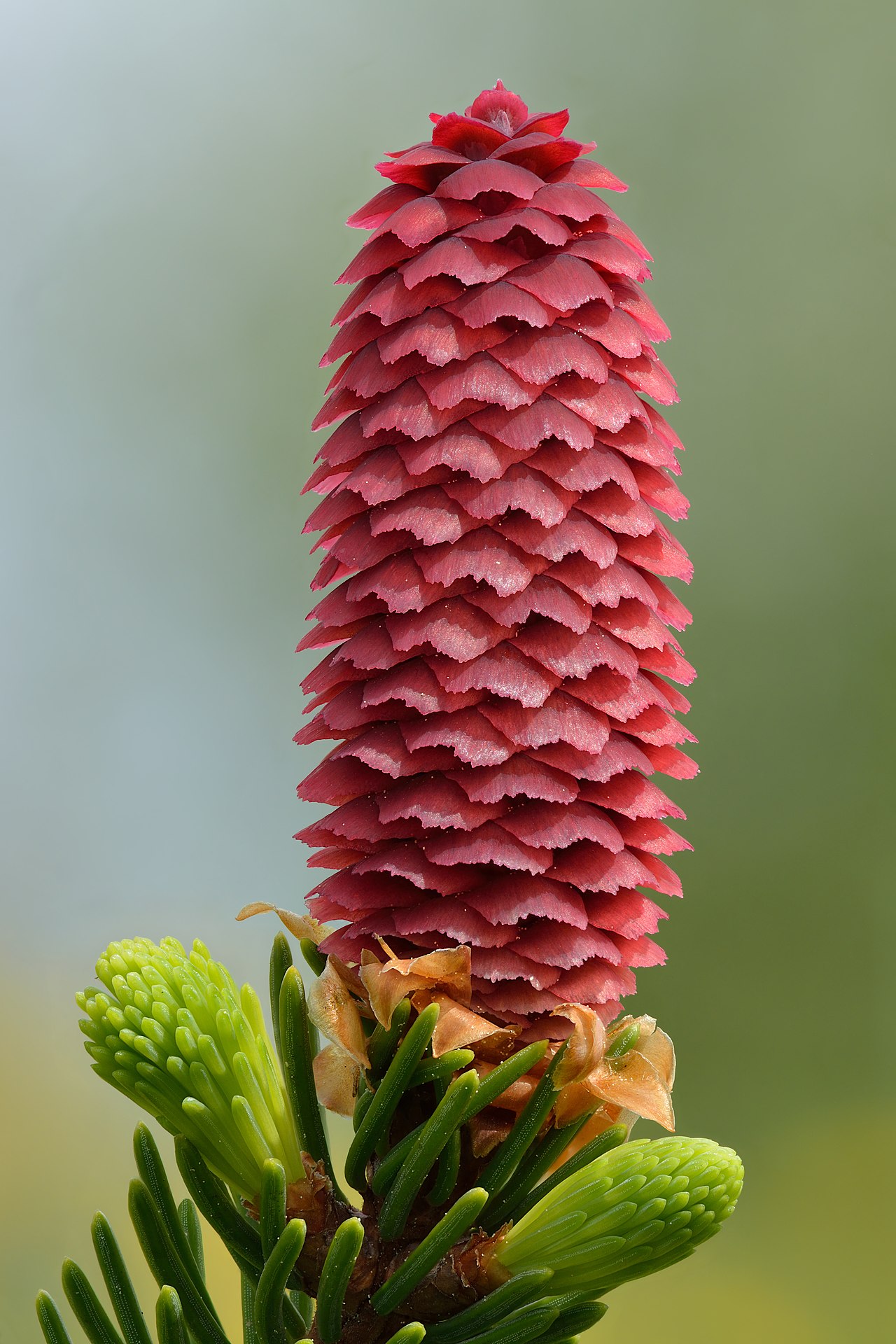
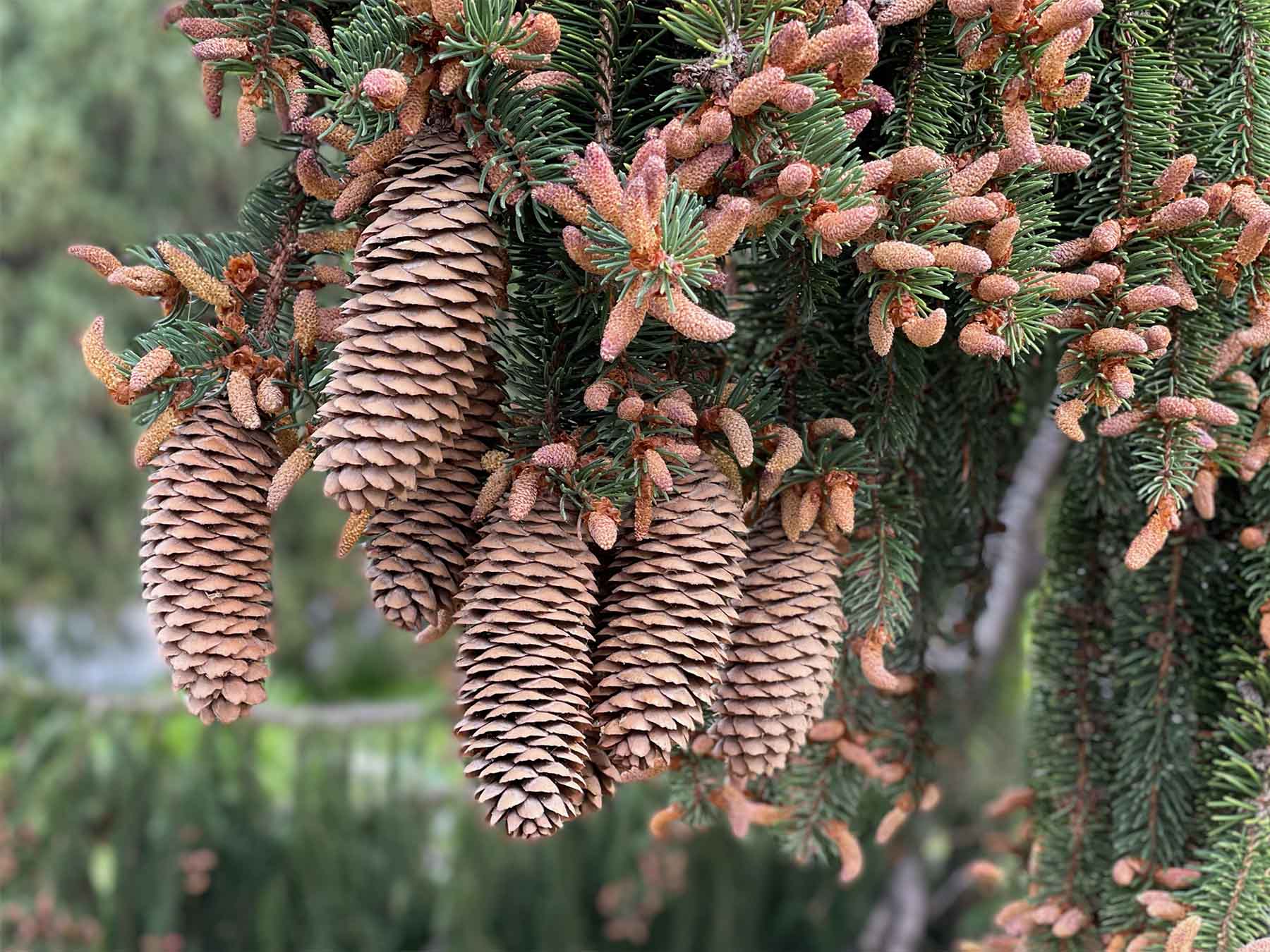
The Norway Spruce is a large coniferous tree that grows with dark green foliage, upswept branches and drooping branchlets. It’s cones are the largest of all the spruce trees and droop down below the branches like Christmas tree ornaments. The tree is quite fast growing when young and tends to slow with age. The trees needles are not nearly as spiny as a Blue Spruce. The tree is native to much of Europe but is very much at home on the prairies. The Norway Spruce is excellent for planting a stand alone specimen tree or in a shelterbelt.
| Common Name |
Norway Spruce |
|---|---|
| Latin Name |
Picea abies |
| Form |
Pyramidal |
| Life Span |
100+ |
| Growth Rate |
Fast |
| Mature Height |
15m |
| Mature Spread |
9m |
| Flower Colour |
Inconspicuous |
| Fragrance |
Insignificant |
| Fall Colour |
Evergreen |
| Soil Preference |
Widely adaptable but will not tolerate standing water |
| Exposure Preference |
Full sun |
| Cold Hardiness Zone |
Zone 3 |
| Special Attributes and Considerations |
The Norway Spruce will drop needles that will over time create acidic soil |
| Folk Lore |
The Norway Spruces grows the largest cones of all the spruces. |
| Available Sizes |
200cm |
Related products
Bailey Select Sherbert Chokecherry
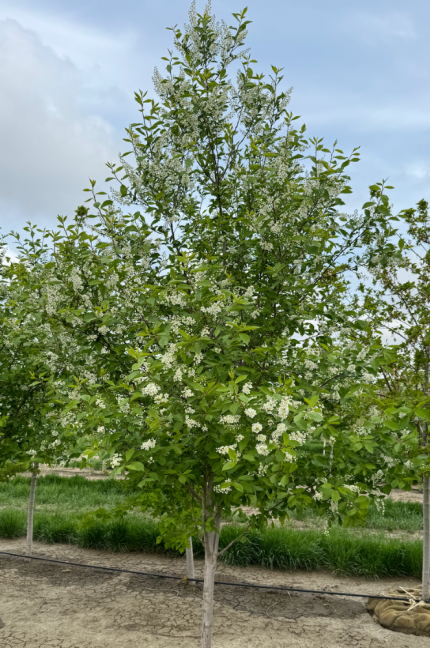
The Bailey Select Sherbert Chokecherry is a cultivated selection of the same chokecherry that grows wild in our region, with foliage that emerges green in spring and turns a rich purple by mid-summer. In spring, the tree produces a beautiful display of white, wonderfully fragrant panicles, followed by large crops of astringent black cherries that are mostly enjoyed by foraging birds. True to tradition, the fruit can also be used to make delicious chokecherry jam, just like in the old days.

Evans Cherry
The Evans Cherry is hardy producer of an edible moderate sweetness cherry. The tree puts on a brilliant show of white flowers in the spring and then produces bright red fruit weighing 4.5g - 5.0g that ripens in mid August. The cultivar is self-pollinating, cold hardy and has a long history of growing in Alberta. The cherry can be eaten right off the tree once ripe, or used for making jams, jellies, pies, and even wines.
Littleleaf Linden
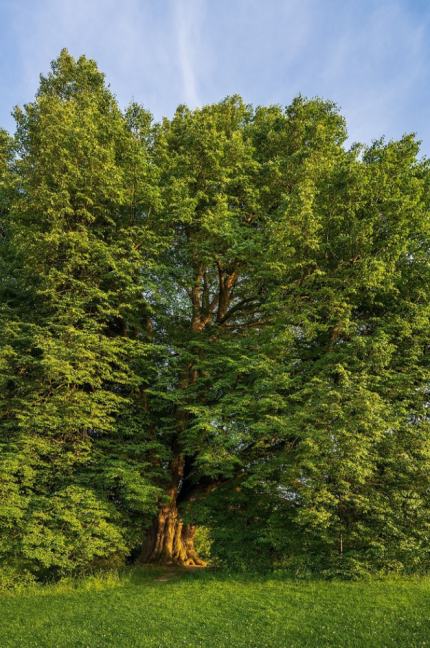
The Littleleaf Linden is a beautiful, highly ornamental tree that adds appeal to any outdoor space, growing with a strong central leader, dense branching, and a trunk that develops substantial girth over time. As its name suggests, its leaves are smaller than those of other linden species, heart shaped and dark green, and in early summer the tree bursts into bloom with clusters of exceptionally fragrant yellow flowers. These nectar-rich flowers attract hummingbirds, bees, and butterflies, and the species also produces a distinctive leaf-like structure called a bract, which evolved to protect the flowers and the small nutlets that develop and ripen in late summer.

Mayday
The Mayday tree is a medium sized tree that produces beautiful five petalled white flowers clustered along short stalks know botanically as racemes. The tree is native to Northern Europe and has for a very long time been a part of our history. The best part of having a Mayday tree in your yard is they are by far the first species to bud out in the spring. You will often see flowers and leaves at the very beginning of May if not the end of April. After a long winter they are a true delight for both gardeners and hungry honey bees. They produce very small cherries that are readily eaten by birds. They are a very hardy tree and require little maintenance. At maturity they can grow to 10m tall, but we know of a specimen or two down on river side that would put that measurement to the test.

Muckle Plum
The Muckle Plum is hybrid between a Canadian Plum and Russian Almond. The tree explodes with a brilliant display of precocious pink flowers in early spring. The leaves are dark green and transition to a warm orange in the fall. The tree is very compact making it a perfect addition to smaller yards. Muckle plums will not grow any fruit so they considered to be very neat and tidy. The tree is cold hardy and makes a fine year around accent tree.
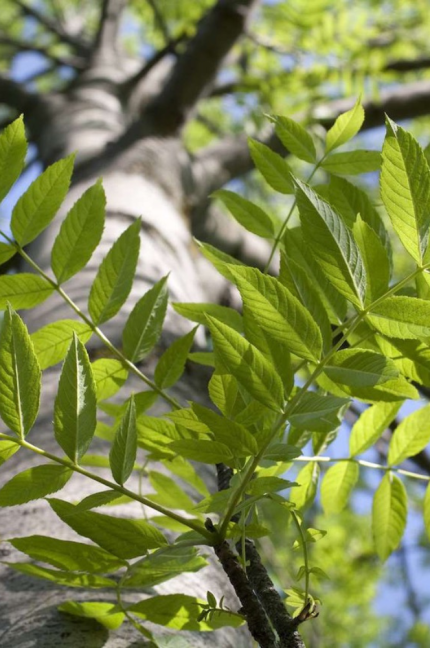
Nobility White Ash
The Nobility White Ash is a seedless selection of the American Ash with an excellent oval form and an orderly branch structure, noted for its well-mannered growth habits that require little pruning or training. With the right fall frosts, it develops deep purple fall color, and it is a very hardy tree that tolerates adverse urban planting conditions with minimal fuss.

Parkland Pillar Birch
The Parkland Pillar Birch is a beautiful tree that was derived from the Japanese White Birch. The tree grows with a commanding columnar form comprised of very dense dark green leaves. Typical of the birch species, it’s leaves are small, pointed and have serrated margins. The leaves turn to golden yellow in autumn and slowly shed, reviling it’s inner white bark. The Parkland Pillar Birch can be planted as a single accent tree, in a group or as a privacy screen.

Pembina Plum
The Pembina Plum is hybrid between a Canadian and Japanese plum that was bred over 100 years ago. The tree shows a brilliant display of precocious white flowers in the spring and in late August offers an absolutely delicious plum. The fruit displays a dark red skin and yellow flesh. The fruit is of the clingstone variety, which simply describes how the flesh does not easily pull away from the pit. The tree is very cold hardy and makes a fine year around accent tree. It is indeed a glorious moment to walk over to your Pembina Plum and indulge in a sweet and juicy plum you grew right in your own back yard.
