
Nobility White Ash
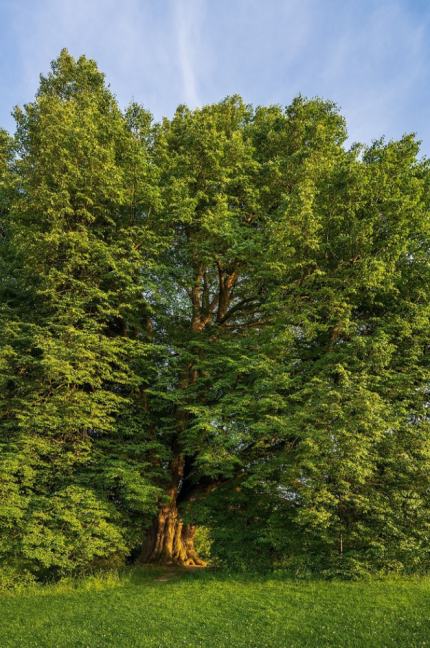
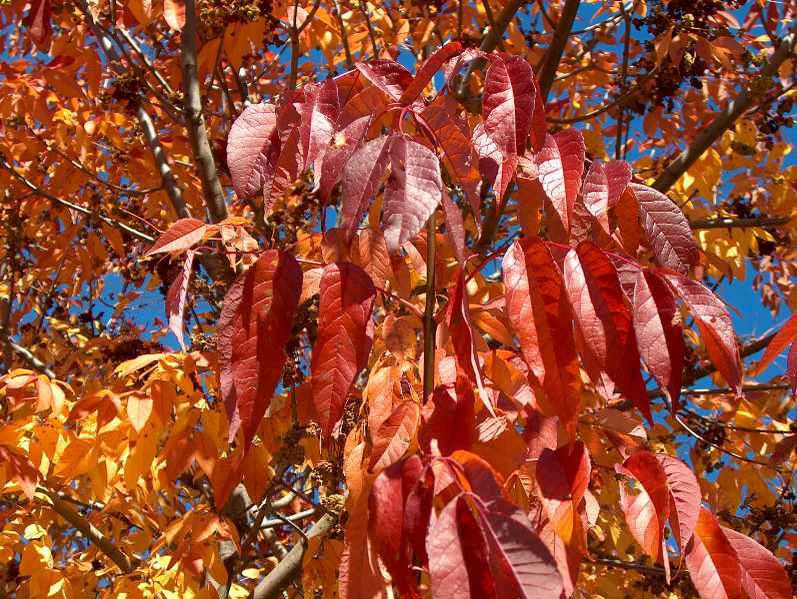
The Nobility White Ash is a seedless selection of the American Ash with an excellent oval form and an orderly branch structure, noted for its well-mannered growth habits that require little pruning or training. With the right fall frosts, it develops deep purple fall color, and it is a very hardy tree that tolerates adverse urban planting conditions with minimal fuss.
| Common Name |
Nobility White Ash |
|---|---|
| Latin Name |
Fraxinus americana 'Nobility' |
| Form |
Oval |
| Life Span |
100+ |
| Growth Rate |
Moderate |
| Mature Height |
15m |
| Mature Spread |
9m |
| Flower Colour |
Insignificant |
| Fragrance |
Not significant |
| Fall Colour |
purple |
| Soil Preference |
Widely adaptable |
| Exposure Preference |
Full sun ,Partial shade |
| Cold Hardiness Zone |
Zone 3 |
| Special Attributes and Considerations |
The Emerald Ash Borer is serious treat to all Ash trees and unfortunately the beetle continues to spread across North America. |
| Folk Lore |
This tree was developed by Jeffries Nurseries of Manitoba. The wood of an ash tree makes most excellent tool handles. Luthiers also prefer to use the wood of ash tree in the construction of their guitars. |
| Available Sizes |
50mm |
Related products

Brandon Elm
The Brandon Elm is a selection of the native American Elm that grows on the eastern prairies. It was chosen for it’s consistent upright vase form, dense ascending branch structure and being considerably more compact. The leaves are dark green with a serrated margins and turn a golden yellow in the fall. The tree can be trained to have a raised lower branches which makes it suitable for locations with visibility and clearance concerns. Brandon Elms are hardy, drought and urban tolerant. The tree is highly versatile and widely planted for good reason.
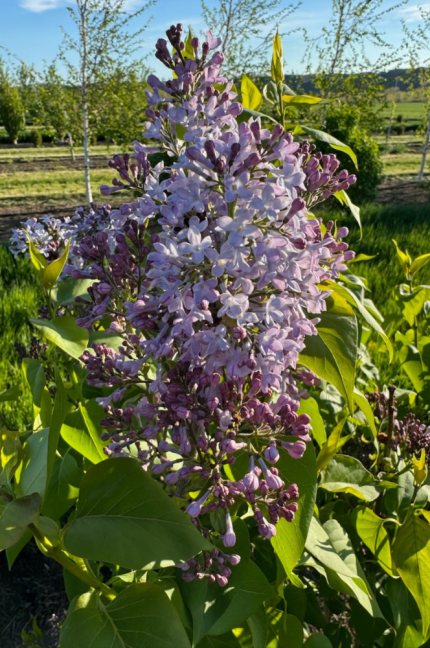
Common Purple Lilac

Evans Cherry
The Evans Cherry is hardy producer of an edible moderate sweetness cherry. The tree puts on a brilliant show of white flowers in the spring and then produces bright red fruit weighing 4.5g - 5.0g that ripens in mid August. The cultivar is self-pollinating, cold hardy and has a long history of growing in Alberta. The cherry can be eaten right off the tree once ripe, or used for making jams, jellies, pies, and even wines.

Fall Red Apple
The Fall Red Apple is an exceptionally cold hardy apple tree that will grow a delicious apple right in your own orchard. The apples are best eaten fresh off the tree or can be used in baking and juicing. On average apples measure 7 - 8cm across, have a dark red skin and white flesh. They are crisp and sweet (12.4 °Bx) with a pleasant flavor. We find that the apple has a some what traditional flavour which in the industry is referred to as being “moderately acidic”. As it’s name describes, apples are best harvested later on in the fall. The apples can be stored in your cold room for up to 90 days. The tree shows moderate resistance to fire blight. The tree tends towards alternate bearing.

Laurel Leaf Willow
The Laurel Leaf Willow is an extremely hardy, large sized tree that is native to Northern Europe. It is noted for having a rounded form, dark green glossy leaves and twisted trunk bark. It produces catkins that are golden yellow in colour. The tree is normally allowed a low canopy and is perfectly content in wet sites. Laurel Leaf willows are very eager to leaf out in the spring and reuctant to drop their leaves in the fall.

Parkland Pillar Birch
The Parkland Pillar Birch is a beautiful tree that was derived from the Japanese White Birch. The tree grows with a commanding columnar form comprised of very dense dark green leaves. Typical of the birch species, it’s leaves are small, pointed and have serrated margins. The leaves turn to golden yellow in autumn and slowly shed, reviling it’s inner white bark. The Parkland Pillar Birch can be planted as a single accent tree, in a group or as a privacy screen.
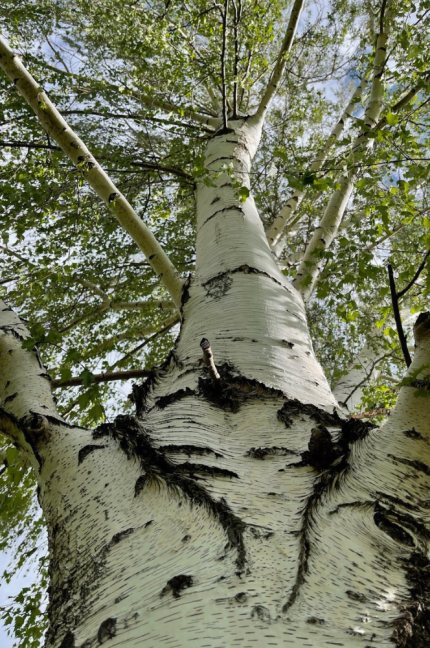
Prairie Dream Birch
The Prairie Dream Birch is a paper birch with beautiful fair white bark and attractive green leaves. With time the bark on the lower trunk peels into neat little rolls that are a favourite for youngsters. The leaves are pointy and dark green with a doubly serrated margin. They turn a golden yellow in fall. This cultivar is low maintenance and more adaptable than other varieties of birch. The Prairie Dream Birch has demonstrated exceptional resilience to the the birch bark borer.

Tatarian Maple
The Tatarian Maple is a compact, exceptionally hardy and low maintenance accent tree. The tree will display showy red samaras in late summer. Fall colours are vibrant, and leaves often remain on the tree well into winter. Interestingly, the tree will often grow wider than it is tall. The trees trunk is a striking light grey with black markings.
