Common Purple Lilac
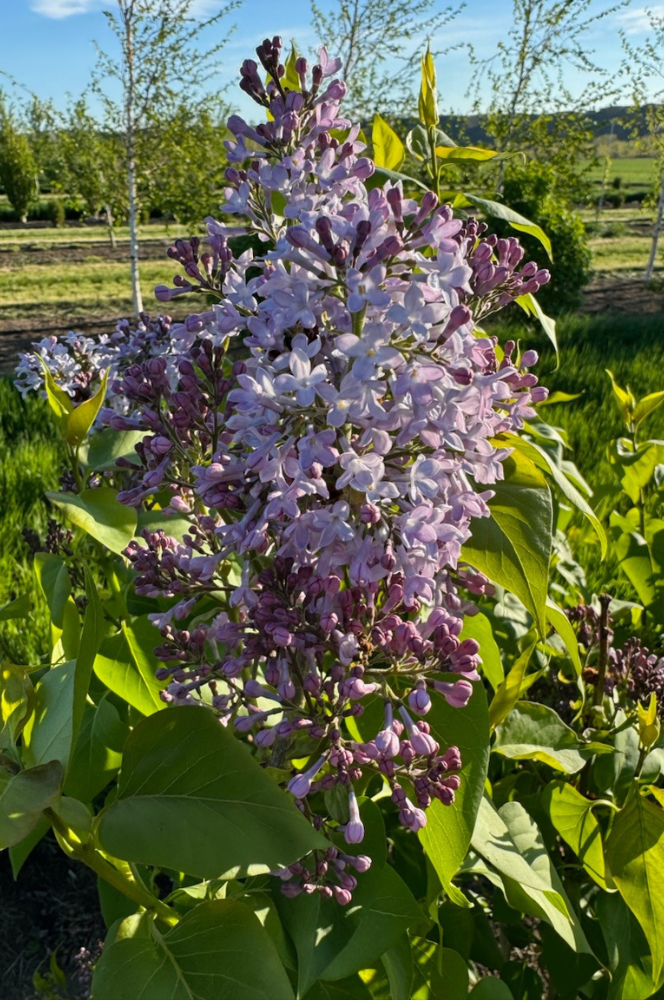
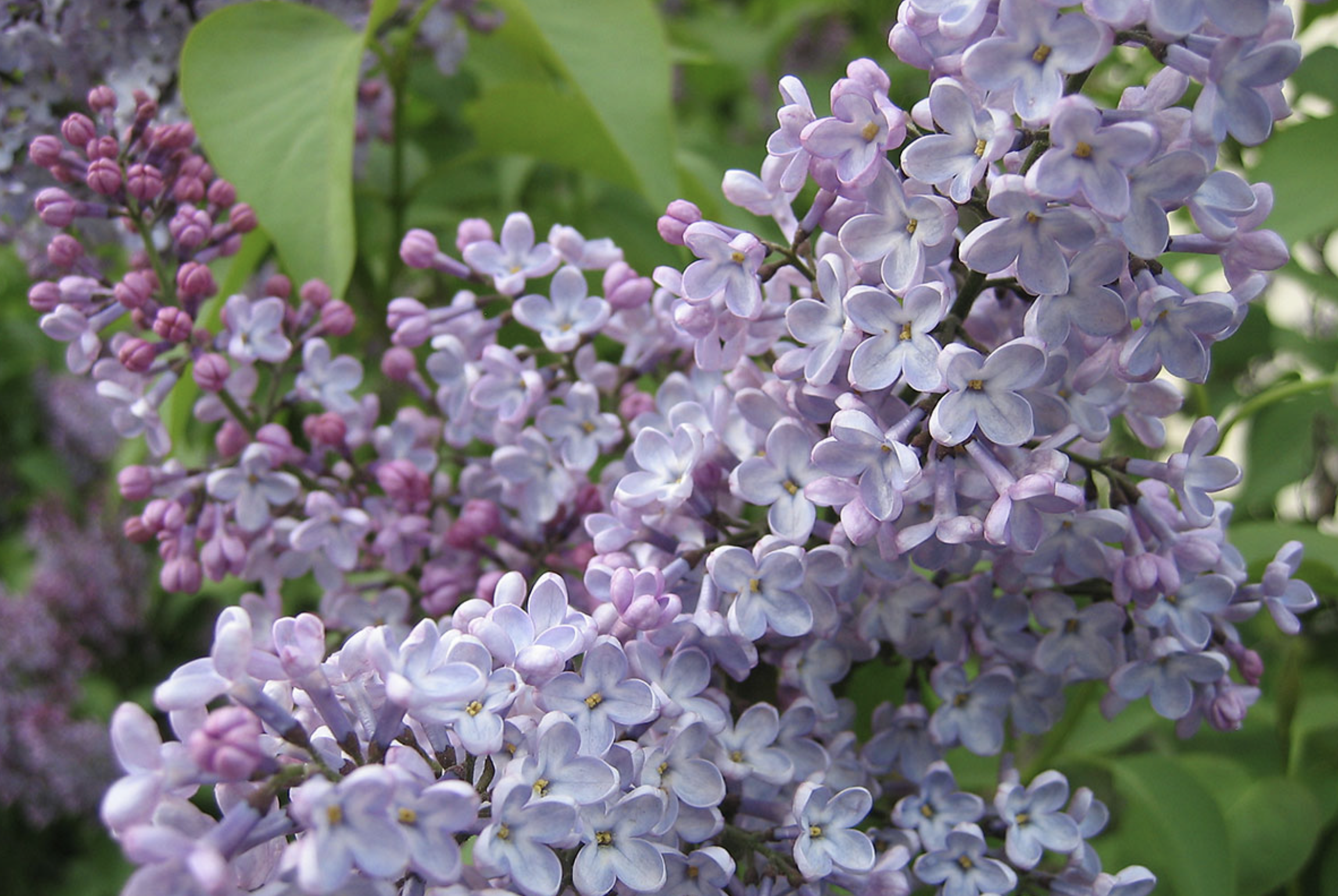
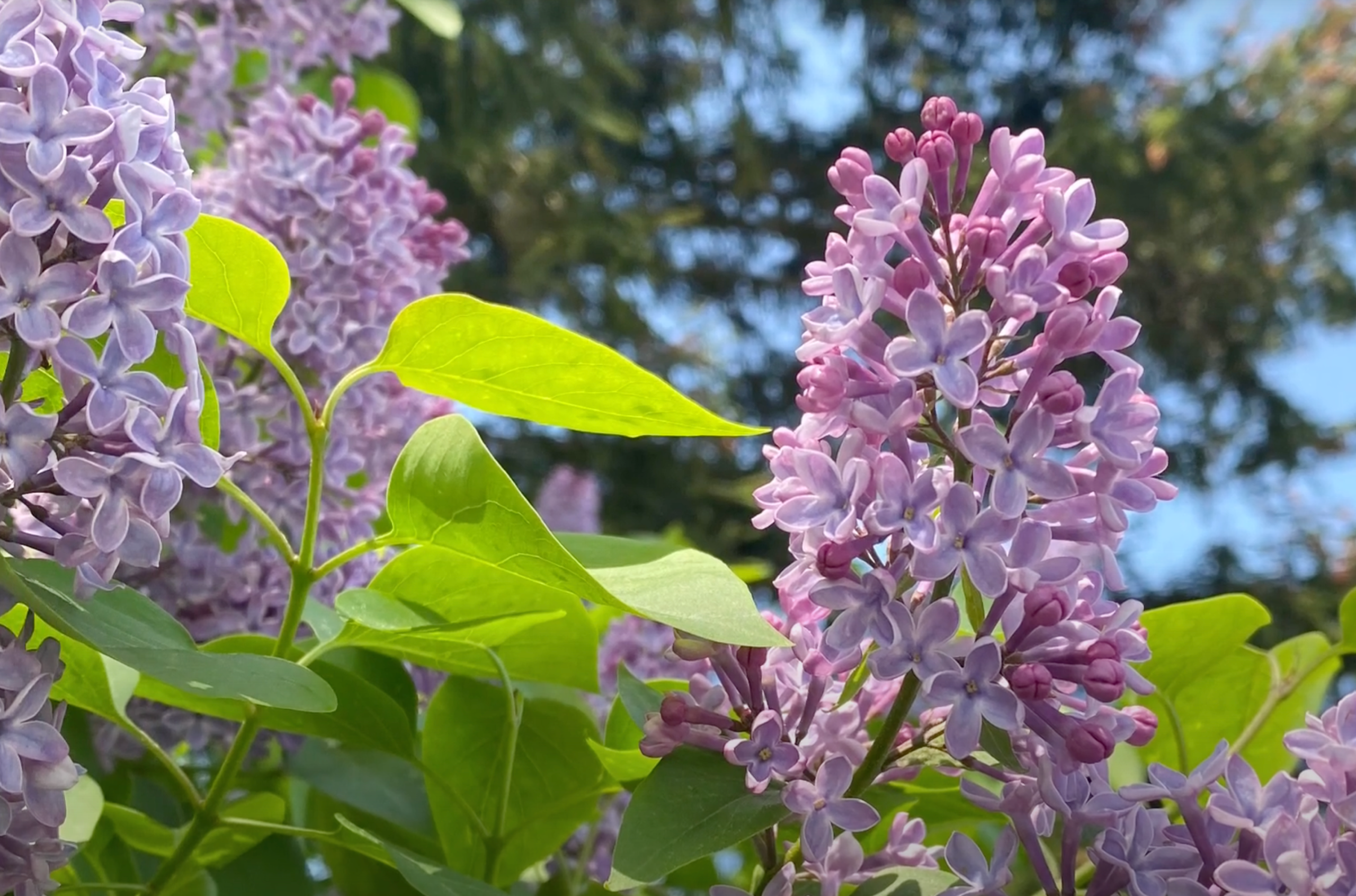
The Common Purple Lilac has for generations been cherished by gardeners for it’s fragrant purple blossoms and its ability to create a lush green wall. Technically a multi-stemmed shrub, this Lilac grows vigorously and flowers in late spring. Their conical clusters of florets have a tube-shaped base with four spreading petal lobes. The leaves are smooth, dark green, heart shaped and bud out prior to the flowers. The Common Purple Lilac is quite hardy, deer resistant and requires very little care. They are excellent for hedges along the border of a property line or as a windbreak but can also be planted as a single specimen.
| Common Name |
Common Purple Lilac |
|---|---|
| Latin Name |
Syringa vulgaris |
| Form |
Shrub |
| Life Span |
100+ |
| Growth Rate |
Medium |
| Mature Height |
3.5m |
| Mature Spread |
2.5m |
| Flower Colour |
Purple |
| Fragrance |
Strongly Fragrant |
| Fall Colour |
Unremarkable |
| Soil Preference |
Widely adaptable but will not tolerate standing water |
| Exposure Preference |
Full sun |
| Cold Hardiness Zone |
Zone 3 |
| Special Attributes and Considerations |
Plant up wind of a window or pathway where the fragrant blooms can be enjoyed. Will spread by basal sprouting. |
| Folk Lore |
The Common Purple Lilac’s native range is in Balkans in South Eastern Europe. From there it spread to northern Europe as a favourite for gardeners. It was one of the most common plants brought to the prairies by our European settlers. In days gone by the expression, “Be ready to cut hay 40 days after the lilacs flower” was used as a simple schedule reminder. |
| Available Sizes |
150cm |
Related products

Dropmore Linden
The Dropmore Linden is hybrid between the native American Linden and the European Little Leaf Linden. This breeding resulted in a regal tree fit to grow in the most discerning grounds. The tree grows with a strong central leader and a trunk with substantial girth. Leaves are densely growing, dark green and heart shaped. In early summer the tree will burst into colour with clusters of exceptionally fragrant yellow flowers. The tree is an excellent source of nectar for honey bees. The tree has a long history of being the most prairie hardy Linden and is to be considered a low maintenance selection.

Evans Cherry
The Evans Cherry is hardy producer of an edible moderate sweetness cherry. The tree puts on a brilliant show of white flowers in the spring and then produces bright red fruit weighing 4.5g - 5.0g that ripens in mid August. The cultivar is self-pollinating, cold hardy and has a long history of growing in Alberta. The cherry can be eaten right off the tree once ripe, or used for making jams, jellies, pies, and even wines.

Fall Red Apple
The Fall Red Apple is an exceptionally cold hardy apple tree that will grow a delicious apple right in your own orchard. The apples are best eaten fresh off the tree or can be used in baking and juicing. On average apples measure 7 - 8cm across, have a dark red skin and white flesh. They are crisp and sweet (12.4 °Bx) with a pleasant flavor. We find that the apple has a some what traditional flavour which in the industry is referred to as being “moderately acidic”. As it’s name describes, apples are best harvested later on in the fall. The apples can be stored in your cold room for up to 90 days. The tree shows moderate resistance to fire blight. The tree tends towards alternate bearing.

Green Ash
The Green Ash is a time tested and true tree for the prairies. They are amongst the hardiest of trees for our region. The tree boasts glossy dark green leaves that are pinnately compound with five to nine large leaflets. Autumn turns these leaves a golden yellow. The tree has greyish brown bark with interlacing furrows and ridges that produce a distinctive diamond pattern. Green Ash are cold, drought and urban tolerant making them widely suitable for any application. Green ash are native to South Eastern Alberta and have have been planted in our parks and yards since the very beginning.

Mayday
The Mayday tree is a medium sized tree that produces beautiful five petalled white flowers clustered along short stalks know botanically as racemes. The tree is native to Northern Europe and has for a very long time been a part of our history. The best part of having a Mayday tree in your yard is they are by far the first species to bud out in the spring. You will often see flowers and leaves at the very beginning of May if not the end of April. After a long winter they are a true delight for both gardeners and hungry honey bees. They produce very small cherries that are readily eaten by birds. They are a very hardy tree and require little maintenance. At maturity they can grow to 10m tall, but we know of a specimen or two down on river side that would put that measurement to the test.

Princess Kay Plum
The Princess Kay Plum brings beauty to any yard it grows within. The tree explodes with a brilliant display of precocious double white flowers in early spring. The leaves are dark green and transition to yellow / red in the fall. The tree is very compact making it a perfect addition to smaller sites. Princess Kay Plums will only grow a tiny amount of fruit so they considered to be very neat and tidy. The tree is cold hardy and makes a fine year around accent tree.

Silver Cloud Maple
The Silver Cloud Maple is a selection of the native species that is seedless, has superior cold hardiness and a more balanced branch structure. The tree is adorned with bright green 5 lobed maple leaves that shimmer in the wind with a silvery underside. This Maple also stands out due to it’s attractive silver bark. The tree is fast growing and drought tolerant. The Silver Cloud Maple is an excellent addition to any grounds with adequate space as a feature or shade tree.

True North American Linden
Bur Oaks are an exceptionally long lived tree that with time can reach truly massive proportions. They are an excellent selection for making a statement or as a shade tree with some authority. Bur Oaks are best suited for large open spaces. They are the most cold tolerant of all the oaks. When young, they are known to have a corky bark and branches. Their large acorns are prized by wildlife and are quickly carried off by birds and small mammals. When you plant a Bur Oak tree, you are really planting a tree for future generations.
