
Snowbird Hawthorn
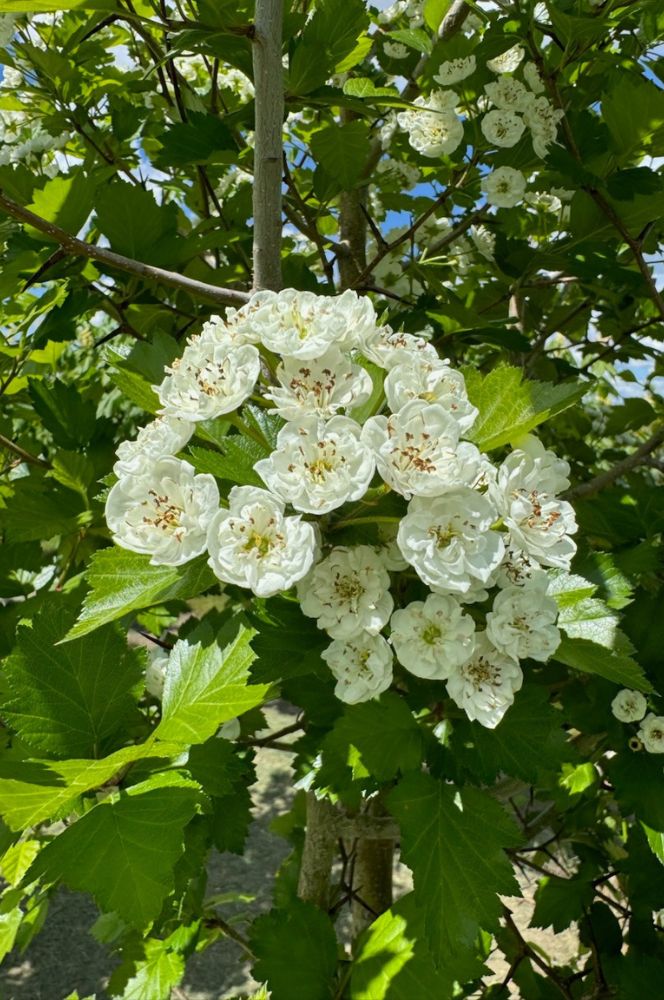
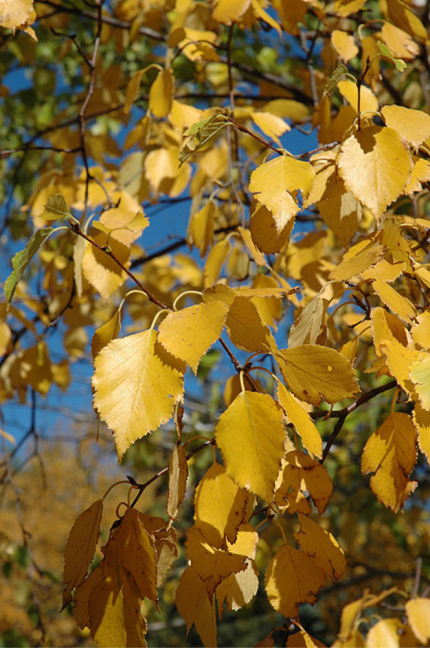
The Snowbird Hawthorn is hardy and compact ornamental tree that displays double white flowers. The flowers are followed by small pomes that ripen to red in the fall. These pomes can be made into jellies or used in tea. The tree grows with bright glossy leaves that turn yellow. As the tree matures it develops a sinewy trunk full of furrows and twists.
| Common Name |
Snowbird Hawthorn |
|---|---|
| Latin Name |
Crataegus mordenensis ‘Snowbird’ |
| Form |
V shaped |
| Life Span |
40+ |
| Growth Rate |
Slow |
| Mature Height |
5.5m |
| Mature Spread |
3.5m |
| Flower Colour |
White |
| Fragrance |
Fragrant and off to some at times. |
| Fall Colour |
Yellow |
| Soil Preference |
Moist and well drained |
| Exposure Preference |
Full sun ,Partial shade |
| Cold Hardiness Zone |
Zone 3 |
| Special Attributes and Considerations |
As it’s name indicates, the Snowbird Hawthorn will occasionally grow thorns. Hawthornes will not thrive on windy sites. |
Related products

Evans Cherry
The Evans Cherry is hardy producer of an edible moderate sweetness cherry. The tree puts on a brilliant show of white flowers in the spring and then produces bright red fruit weighing 4.5g - 5.0g that ripens in mid August. The cultivar is self-pollinating, cold hardy and has a long history of growing in Alberta. The cherry can be eaten right off the tree once ripe, or used for making jams, jellies, pies, and even wines.

Golden Willow
The Golden Willow is a hardy shelter belt tree that grows with a round form and slender drooping branches. The tree will grow to a large stature and tends to prefer a low canopy. As implied with it’s name, young stems are adorned with a beautiful yellow hue. The tree grows with glossy green, narrow (lanceolate) leaves. In autumn the leaves will turn golden yellow. As the tree ages the trunk’s bark will become deeply furrowed. The tree is typically found growing in a multi-trunk form, how ever we also have single trunk selections.

Laurel Leaf Willow
The Laurel Leaf Willow is an extremely hardy, large sized tree that is native to Northern Europe. It is noted for having a rounded form, dark green glossy leaves and twisted trunk bark. It produces catkins that are golden yellow in colour. The tree is normally allowed a low canopy and is perfectly content in wet sites. Laurel Leaf willows are very eager to leaf out in the spring and reuctant to drop their leaves in the fall.
Littleleaf Linden
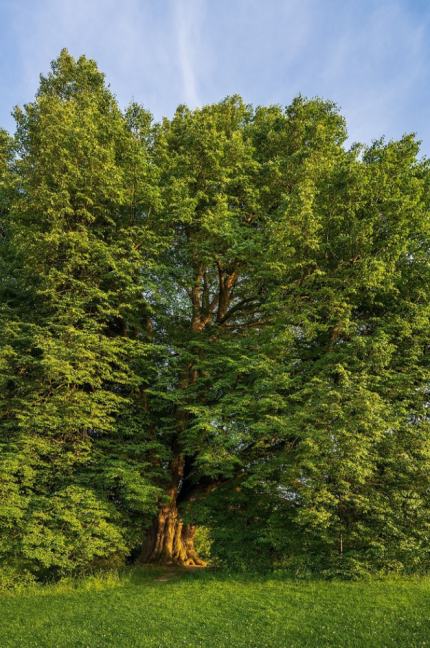
The Littleleaf Linden is a beautiful, highly ornamental tree that adds appeal to any outdoor space, growing with a strong central leader, dense branching, and a trunk that develops substantial girth over time. As its name suggests, its leaves are smaller than those of other linden species, heart shaped and dark green, and in early summer the tree bursts into bloom with clusters of exceptionally fragrant yellow flowers. These nectar-rich flowers attract hummingbirds, bees, and butterflies, and the species also produces a distinctive leaf-like structure called a bract, which evolved to protect the flowers and the small nutlets that develop and ripen in late summer.
Nobility White Ash
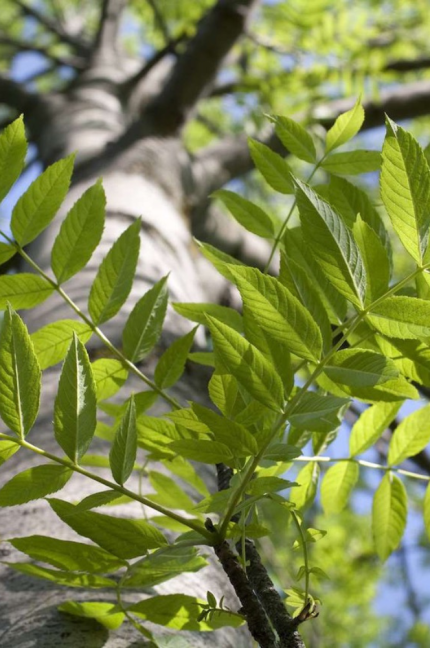
The Nobility White Ash is a seedless selection of the American Ash with an excellent oval form and an orderly branch structure, noted for its well-mannered growth habits that require little pruning or training. With the right fall frosts, it develops deep purple fall color, and it is a very hardy tree that tolerates adverse urban planting conditions with minimal fuss.

Showy Mountain Ash
The Showy Mountain Ash features showy white spring flowers, pinnately compound leaves and striking red fall fruit. The berries often remain on the tree after the leaves fall, which provides a pleasant winter appearance. The tree is excellent at attracting birds to any yard. The leaves are dark green and transition to orange / red in the fall. Bark is typically smooth and grey, becoming scaly as the tree matures. The tree is slow growing and compact, making it a perfect addition to smaller sites. The tree can be planted as an accent or shade tree.
Spring Snow Crabapple
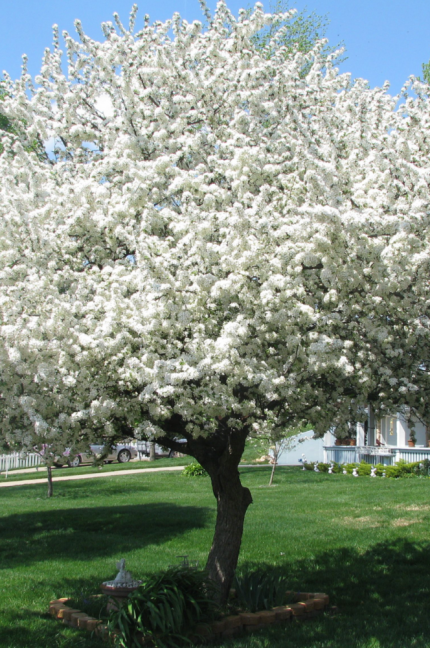
The Spring Snow Crabapple blooms in early to mid-spring with a profusion of beautiful, highly fragrant white flowers that make the tree look as though it has been covered in fresh snow. This compact tree is fully hardy for our region and, being a fruitless cultivar, remains clean and tidy throughout the season. It features distinctive orange-tinged bark and dark green, pointed leaves that turn yellow in fall, and when in bloom it is excellent for attracting hummingbirds and honey bees.
Toba Hawthorne
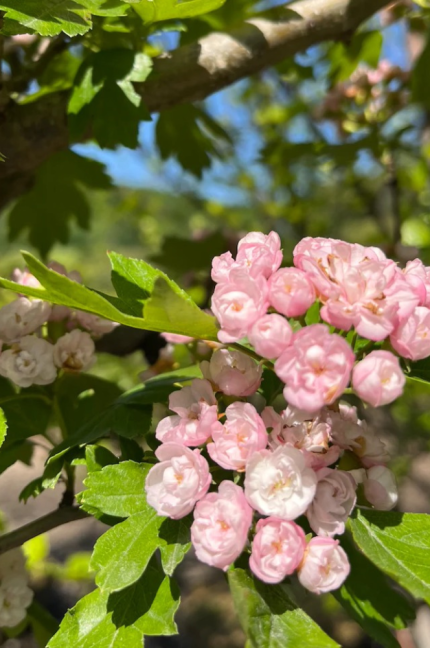
The Toba Hawthorne is hardy and compact ornamental tree that displays double white flowers that slowly turn to pink. The flowers are followed by small pomes that ripen to red in the fall. These pomes can be made into jellies or used in tea. The tree grows with bright glossy leaves that turn yellow. As the tree matures it develops a sinewy trunk full of furrows and twists.
