Toba Hawthorne
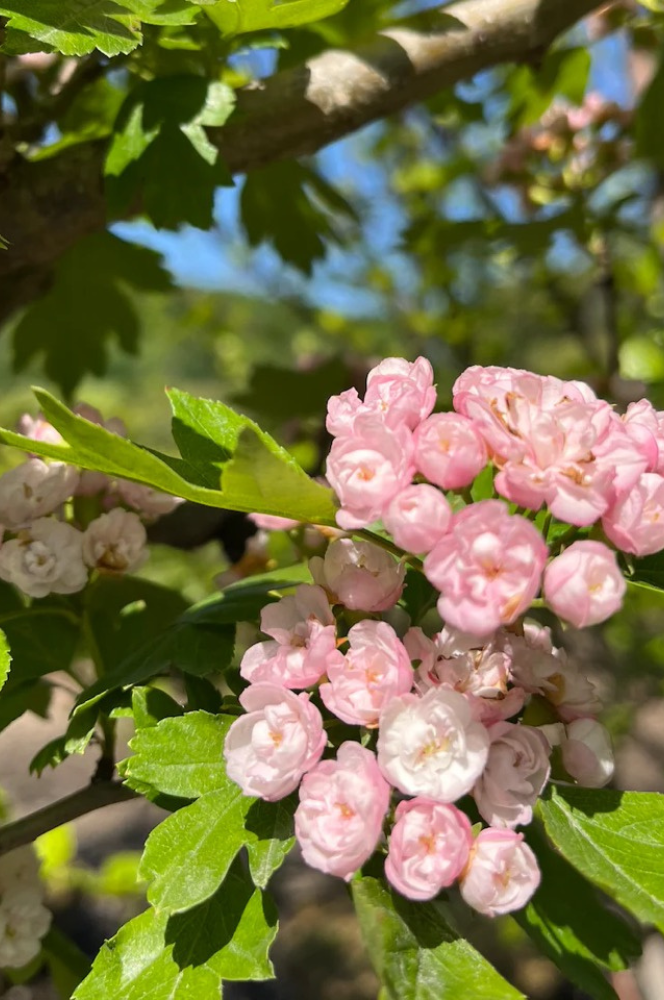
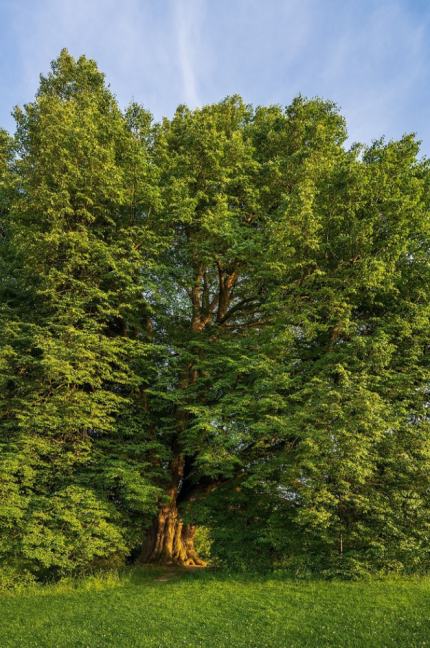
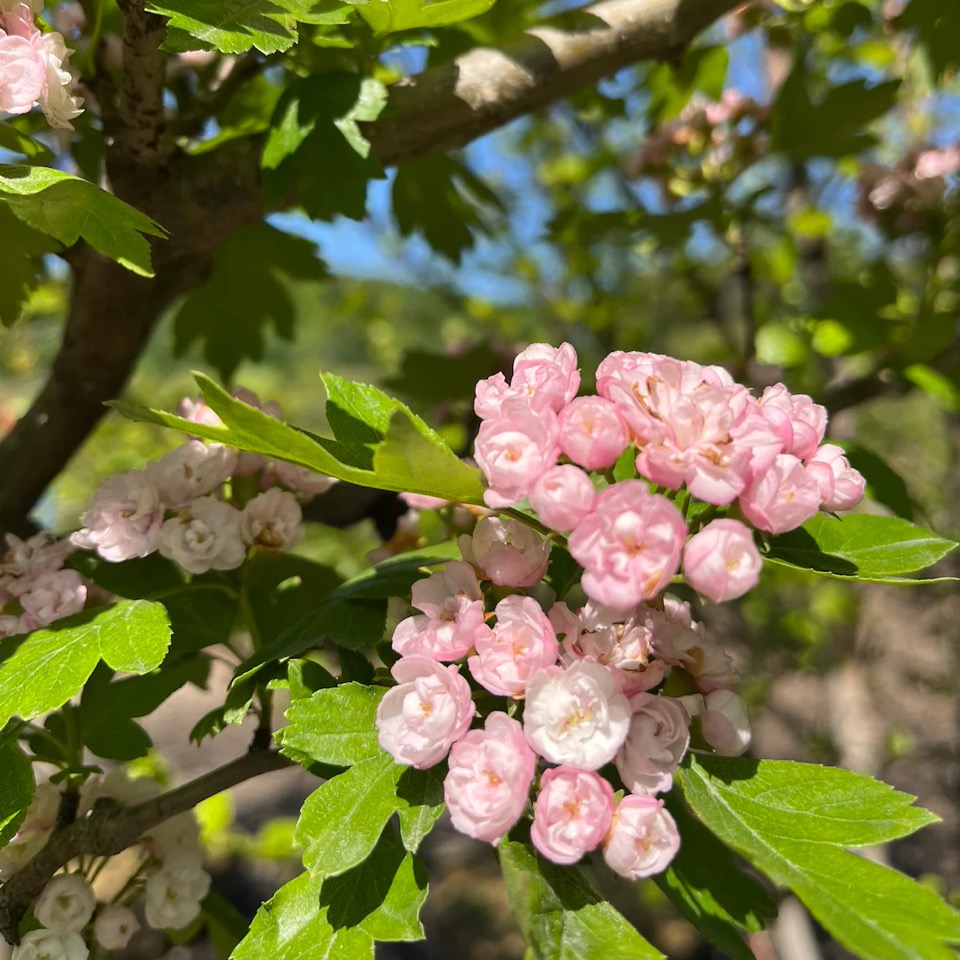
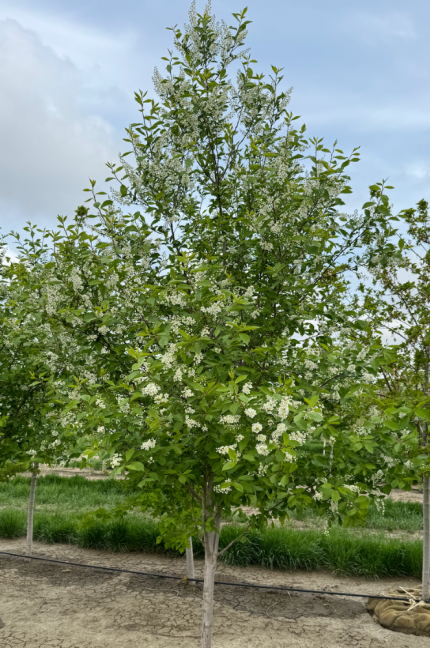
The Toba Hawthorne is hardy and compact ornamental tree that displays double white flowers that slowly turn to pink. The flowers are followed by small pomes that ripen to red in the fall. These pomes can be made into jellies or used in tea. The tree grows with bright glossy leaves that turn yellow. As the tree matures it develops a sinewy trunk full of furrows and twists.
| Common Name |
Toba Hawthorne |
|---|---|
| Latin Name |
Crataegus mordenensis 'Toba' |
| Form |
V shaped |
| Life Span |
40+ |
| Growth Rate |
Slow |
| Mature Height |
5.5m |
| Mature Spread |
3.5m |
| Flower Colour |
Pink |
| Fragrance |
Fragrant and off to some at times |
| Fall Colour |
Yellow |
| Soil Preference |
Moist and well drained |
| Exposure Preference |
Full sun ,Partial shade |
| Cold Hardiness Zone |
Zone 3 |
| Special Attributes and Considerations |
As it’s name indicates, the Toba Hawthorne will occasionally grow thorns. Hawthornes will not thrive on windy sites. |
| Folk Lore |
This cultivar was developed by Morden Research station in Manitoba and introduced in 1967 with linages dating back to 1935. In Northern Europe Hawthorns have long been considered sacred trees and associated with fertility and the home of fairies. The haw in hawthorne means hedge in old english. It was once believed that death could occur if hawthorn flowers were brought into ones home. This may sound overly superstitious, but it has recently been discovered that the compound trimethylamine present in the blossom of a hawthorne tree is also present in the early stages of tissue decay. The wood from a hawthorn tree was a favourite for divining rods. |
| Available Sizes |
40mm ,50mm |
Related products

American Elm
American Elms are a large, long lived, stately tree. They are considered amongst the most beautiful and graceful trees that can be grown in the prairies. You will positively enjoy how their long slender branches gently sway in a breeze. Their leaves turn a golden yellow in the fall. American Elms are the trees that magnificently shade both North and South 1st Street in Medicine Hat with their cathedral-like ceiling of branches. They are exceptionally hardy and tolerant of even the most harsh planting site.
Bailey Select Sherbert Chokecherry
The Bailey Select Sherbert Chokecherry is a cultivated selection of the same chokecherry that grows wild in our region, with foliage that emerges green in spring and turns a rich purple by mid-summer. In spring, the tree produces a beautiful display of white, wonderfully fragrant panicles, followed by large crops of astringent black cherries that are mostly enjoyed by foraging birds. True to tradition, the fruit can also be used to make delicious chokecherry jam, just like in the old days.

Evans Cherry
The Evans Cherry is hardy producer of an edible moderate sweetness cherry. The tree puts on a brilliant show of white flowers in the spring and then produces bright red fruit weighing 4.5g - 5.0g that ripens in mid August. The cultivar is self-pollinating, cold hardy and has a long history of growing in Alberta. The cherry can be eaten right off the tree once ripe, or used for making jams, jellies, pies, and even wines.

Fall Red Apple
The Fall Red Apple is an exceptionally cold hardy apple tree that will grow a delicious apple right in your own orchard. The apples are best eaten fresh off the tree or can be used in baking and juicing. On average apples measure 7 - 8cm across, have a dark red skin and white flesh. They are crisp and sweet (12.4 °Bx) with a pleasant flavor. We find that the apple has a some what traditional flavour which in the industry is referred to as being “moderately acidic”. As it’s name describes, apples are best harvested later on in the fall. The apples can be stored in your cold room for up to 90 days. The tree shows moderate resistance to fire blight. The tree tends towards alternate bearing.

Golden Willow
The Golden Willow is a hardy shelter belt tree that grows with a round form and slender drooping branches. The tree will grow to a large stature and tends to prefer a low canopy. As implied with it’s name, young stems are adorned with a beautiful yellow hue. The tree grows with glossy green, narrow (lanceolate) leaves. In autumn the leaves will turn golden yellow. As the tree ages the trunk’s bark will become deeply furrowed. The tree is typically found growing in a multi-trunk form, how ever we also have single trunk selections.

Laurel Leaf Willow
The Laurel Leaf Willow is an extremely hardy, large sized tree that is native to Northern Europe. It is noted for having a rounded form, dark green glossy leaves and twisted trunk bark. It produces catkins that are golden yellow in colour. The tree is normally allowed a low canopy and is perfectly content in wet sites. Laurel Leaf willows are very eager to leaf out in the spring and reuctant to drop their leaves in the fall.

Muckle Plum
The Muckle Plum is hybrid between a Canadian Plum and Russian Almond. The tree explodes with a brilliant display of precocious pink flowers in early spring. The leaves are dark green and transition to a warm orange in the fall. The tree is very compact making it a perfect addition to smaller yards. Muckle plums will not grow any fruit so they considered to be very neat and tidy. The tree is cold hardy and makes a fine year around accent tree.

Pembina Plum
The Pembina Plum is hybrid between a Canadian and Japanese plum that was bred over 100 years ago. The tree shows a brilliant display of precocious white flowers in the spring and in late August offers an absolutely delicious plum. The fruit displays a dark red skin and yellow flesh. The fruit is of the clingstone variety, which simply describes how the flesh does not easily pull away from the pit. The tree is very cold hardy and makes a fine year around accent tree. It is indeed a glorious moment to walk over to your Pembina Plum and indulge in a sweet and juicy plum you grew right in your own back yard.
