Littleleaf Linden
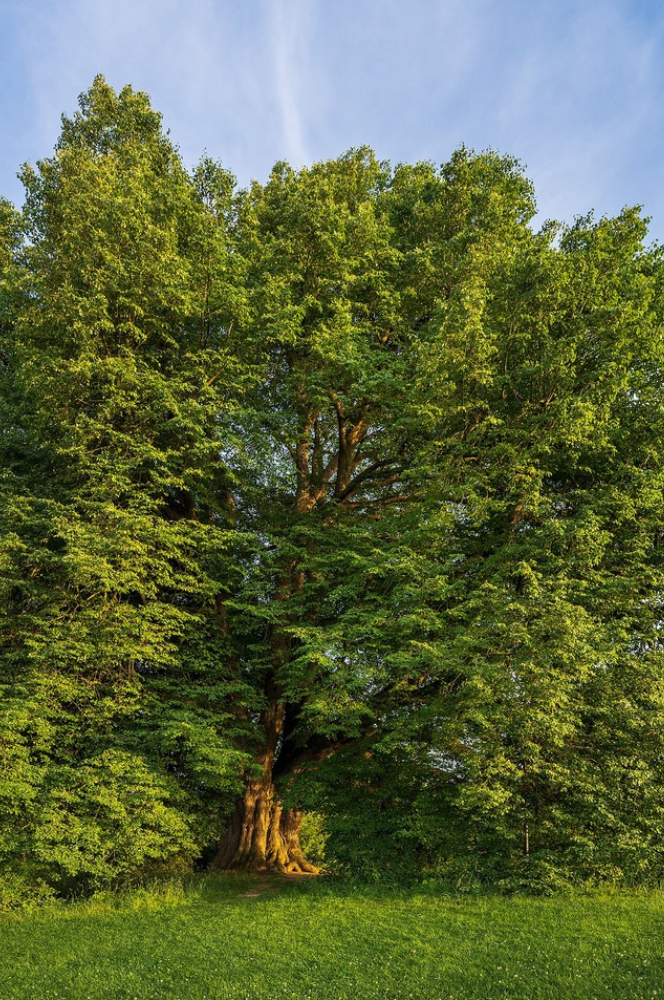
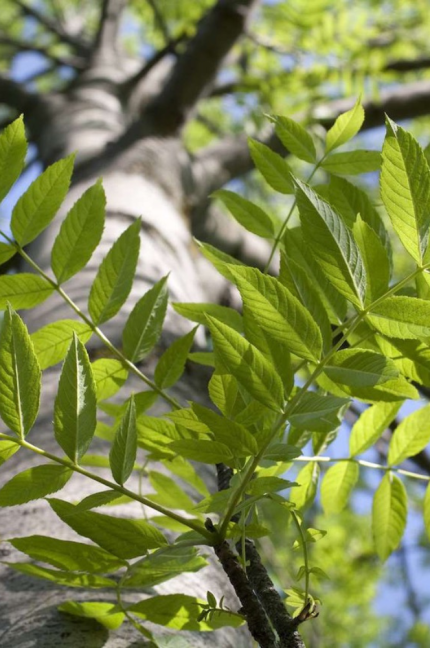
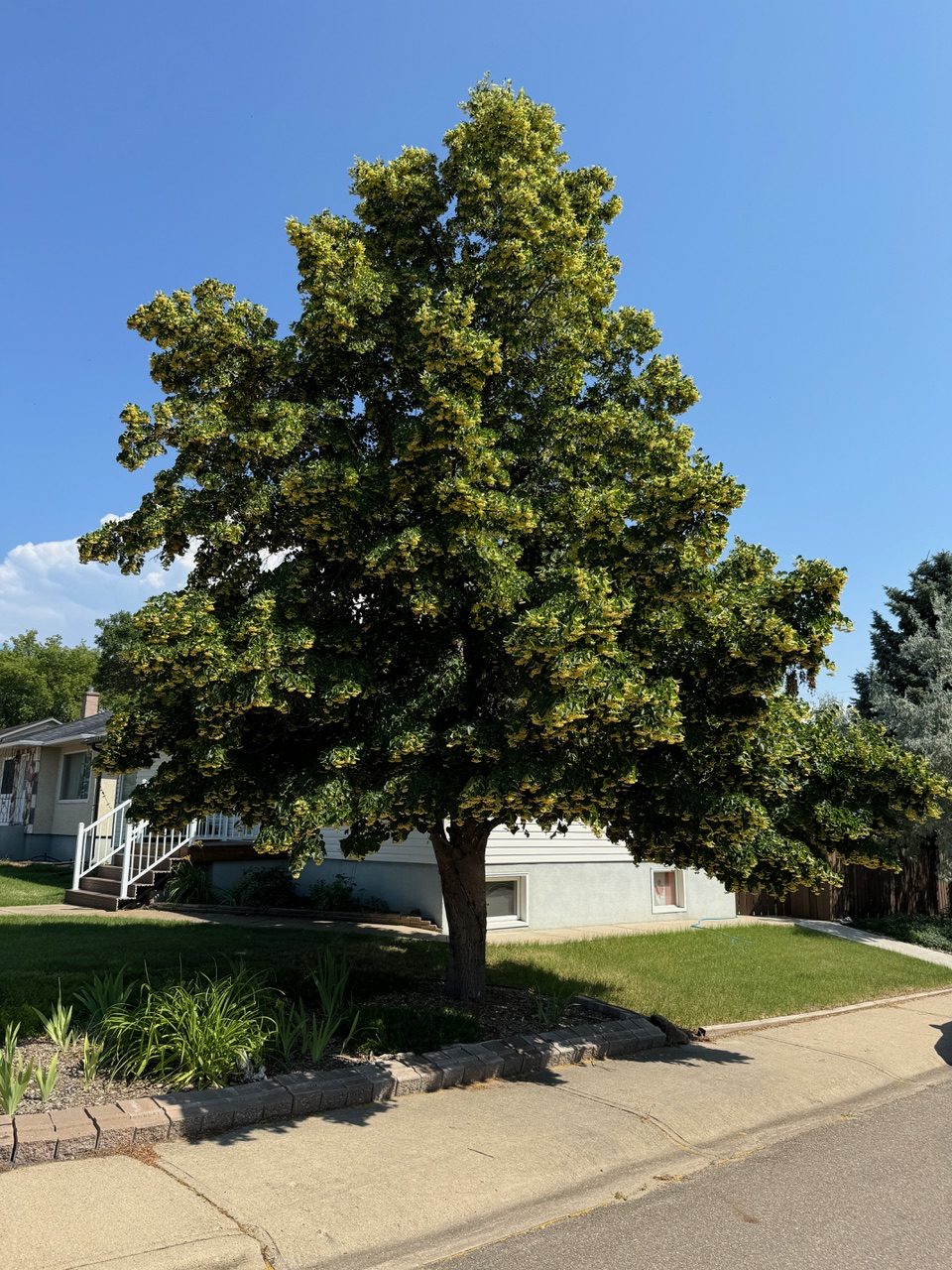
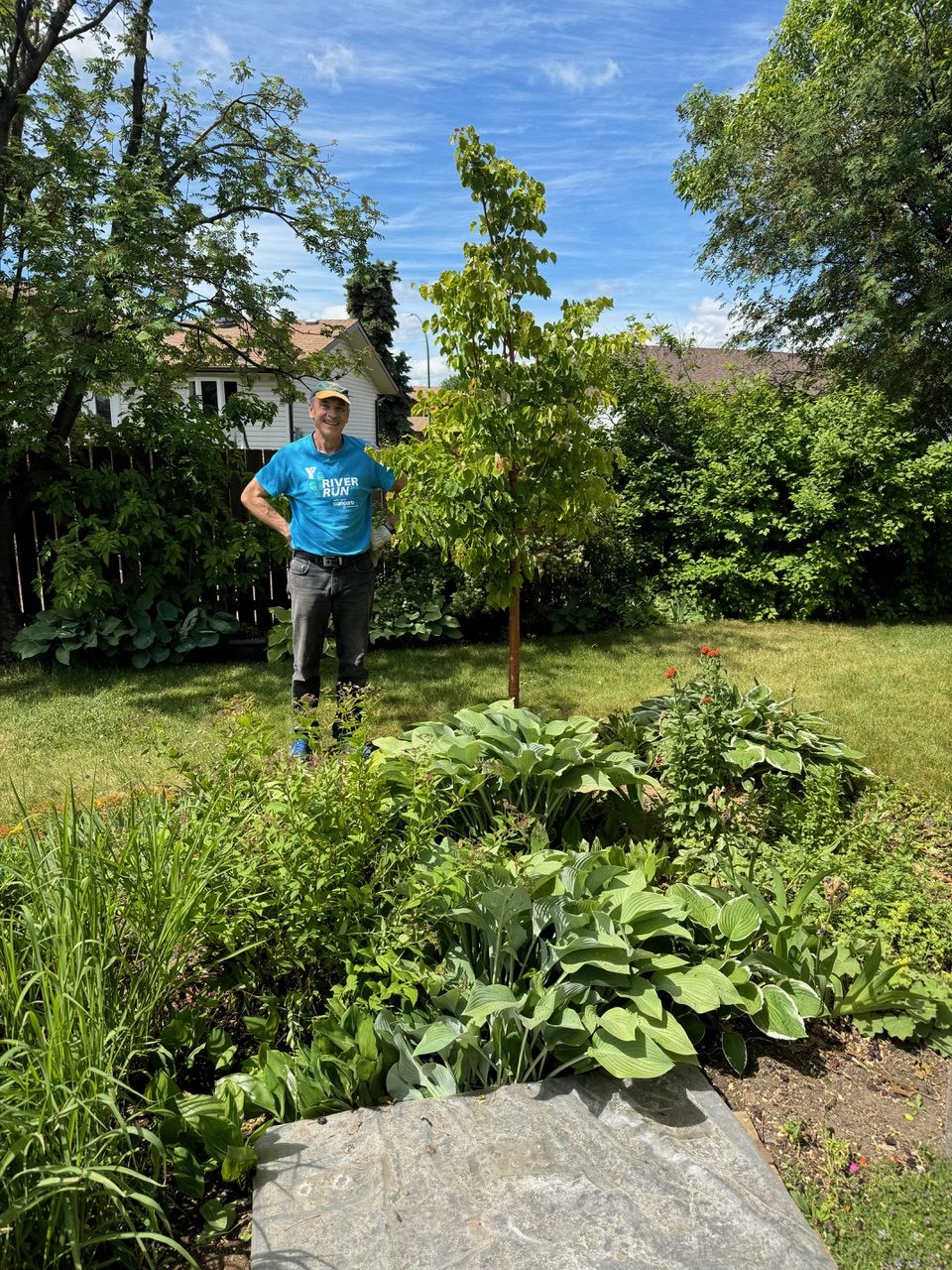
The Littleleaf Linden is a beautiful, highly ornamental tree that adds appeal to any outdoor space, growing with a strong central leader, dense branching, and a trunk that develops substantial girth over time. As its name suggests, its leaves are smaller than those of other linden species, heart shaped and dark green, and in early summer the tree bursts into bloom with clusters of exceptionally fragrant yellow flowers. These nectar-rich flowers attract hummingbirds, bees, and butterflies, and the species also produces a distinctive leaf-like structure called a bract, which evolved to protect the flowers and the small nutlets that develop and ripen in late summer.
| Common Name |
Littleleaf Linden |
|---|---|
| Latin Name |
Tilia cordata |
| Form |
Pyramidal |
| Life Span |
250+ |
| Growth Rate |
Medium |
| Mature Height |
15m |
| Mature Spread |
10.5m |
| Flower Colour |
Creamy Yellow |
| Fragrance |
Exceptionally Fragrant |
| Fall Colour |
Golden ,Yellow |
| Soil Preference |
Moist and well drained |
| Exposure Preference |
Full sun ,Partial shade |
| Cold Hardiness Zone |
Zone 3 |
| Special Attributes and Considerations |
As the tree is exceptionally fragrant, it is wise to choose a planting site on the upwind side of your favourite outdoor sitting area. All lindens are prone to basal sprouting. This is a natural propagation method of the tree. |
Related products

American Elm
American Elms are a large, long lived, stately tree. They are considered amongst the most beautiful and graceful trees that can be grown in the prairies. You will positively enjoy how their long slender branches gently sway in a breeze. Their leaves turn a golden yellow in the fall. American Elms are the trees that magnificently shade both North and South 1st Street in Medicine Hat with their cathedral-like ceiling of branches. They are exceptionally hardy and tolerant of even the most harsh planting site.
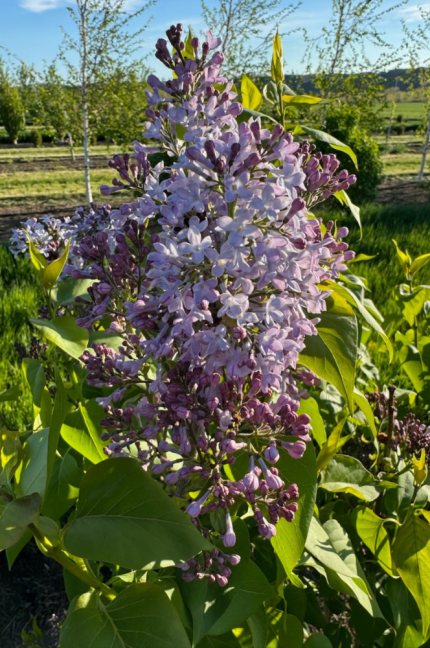
Common Purple Lilac

Mayday
The Mayday tree is a medium sized tree that produces beautiful five petalled white flowers clustered along short stalks know botanically as racemes. The tree is native to Northern Europe and has for a very long time been a part of our history. The best part of having a Mayday tree in your yard is they are by far the first species to bud out in the spring. You will often see flowers and leaves at the very beginning of May if not the end of April. After a long winter they are a true delight for both gardeners and hungry honey bees. They produce very small cherries that are readily eaten by birds. They are a very hardy tree and require little maintenance. At maturity they can grow to 10m tall, but we know of a specimen or two down on river side that would put that measurement to the test.

Muckle Plum
The Muckle Plum is hybrid between a Canadian Plum and Russian Almond. The tree explodes with a brilliant display of precocious pink flowers in early spring. The leaves are dark green and transition to a warm orange in the fall. The tree is very compact making it a perfect addition to smaller yards. Muckle plums will not grow any fruit so they considered to be very neat and tidy. The tree is cold hardy and makes a fine year around accent tree.
Spring Snow Crabapple
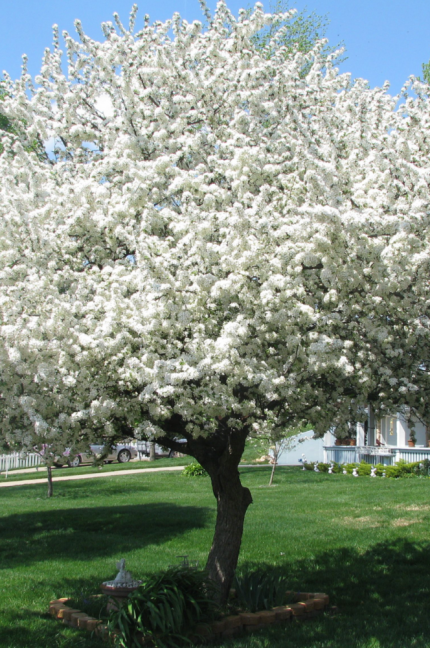
The Spring Snow Crabapple blooms in early to mid-spring with a profusion of beautiful, highly fragrant white flowers that make the tree look as though it has been covered in fresh snow. This compact tree is fully hardy for our region and, being a fruitless cultivar, remains clean and tidy throughout the season. It features distinctive orange-tinged bark and dark green, pointed leaves that turn yellow in fall, and when in bloom it is excellent for attracting hummingbirds and honey bees.

Thunderchild Flowering Crab Apple
Thunderchild Flowering Crabapples are an attractive, compact and upright tree that make the perfect focal point for any garden. During middle spring, the branches are draped with clusters of vibrant pink flowers. Its fruit is perfectly edible and tends to remain on the tree long into winter. The tree displays a dark purple foliage throughout the growing season. Thunderchilds are strongly resistant of fire blight. They are an absolute delight for bees, butterflies and birds alike.
Toba Hawthorne
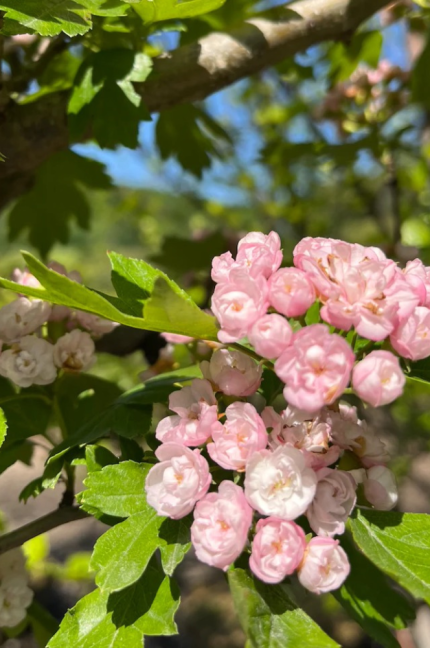
The Toba Hawthorne is hardy and compact ornamental tree that displays double white flowers that slowly turn to pink. The flowers are followed by small pomes that ripen to red in the fall. These pomes can be made into jellies or used in tea. The tree grows with bright glossy leaves that turn yellow. As the tree matures it develops a sinewy trunk full of furrows and twists.

True North American Linden
Bur Oaks are an exceptionally long lived tree that with time can reach truly massive proportions. They are an excellent selection for making a statement or as a shade tree with some authority. Bur Oaks are best suited for large open spaces. They are the most cold tolerant of all the oaks. When young, they are known to have a corky bark and branches. Their large acorns are prized by wildlife and are quickly carried off by birds and small mammals. When you plant a Bur Oak tree, you are really planting a tree for future generations.
